
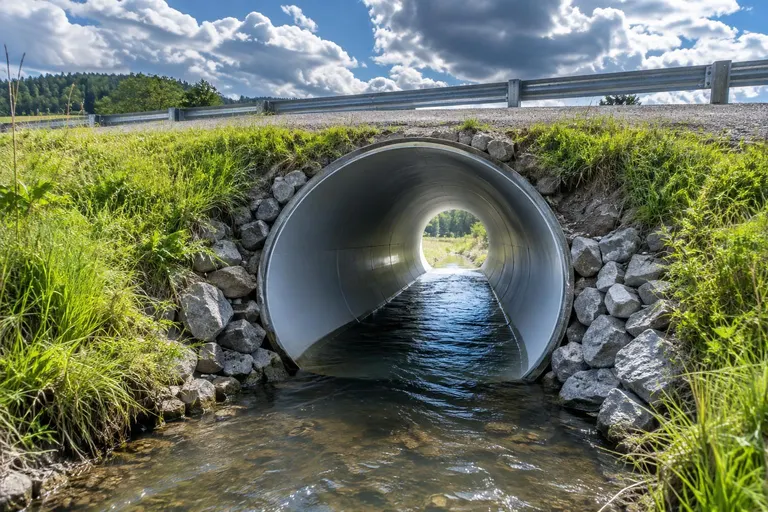
Stormwater & Culvert Lining
Failing culverts and storm drains can be relined in place, keeping roads open and drainage working.
The details, in plain English.
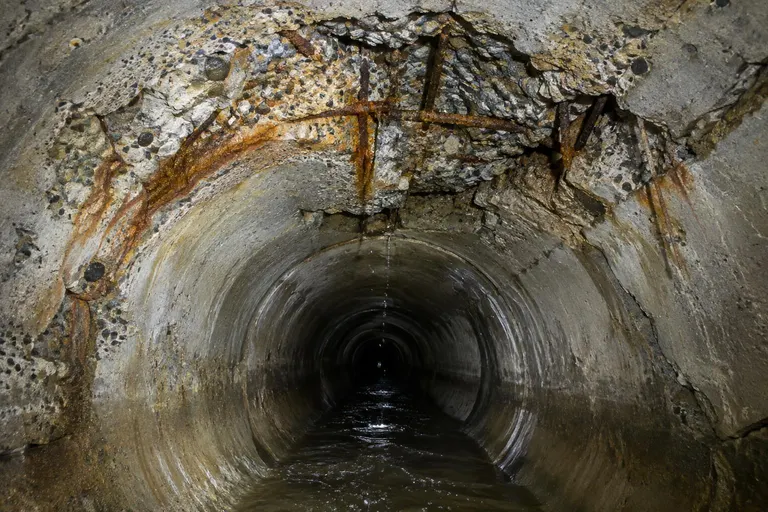
Culverts and storm drains corrode, crack and leak soil through their joints. When they fail, roads sink, embankments wash out and flooding follows. Replacing a culvert can mean closing a road for weeks.
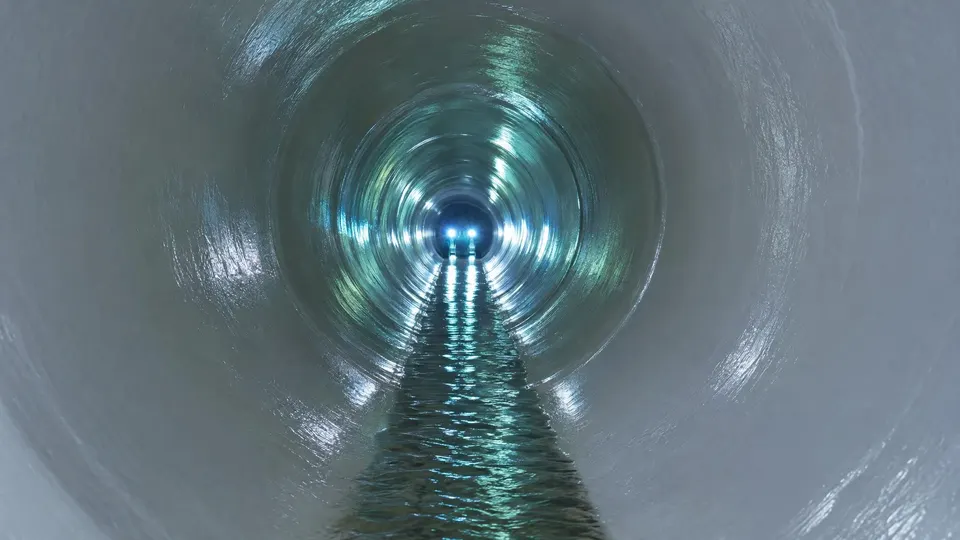
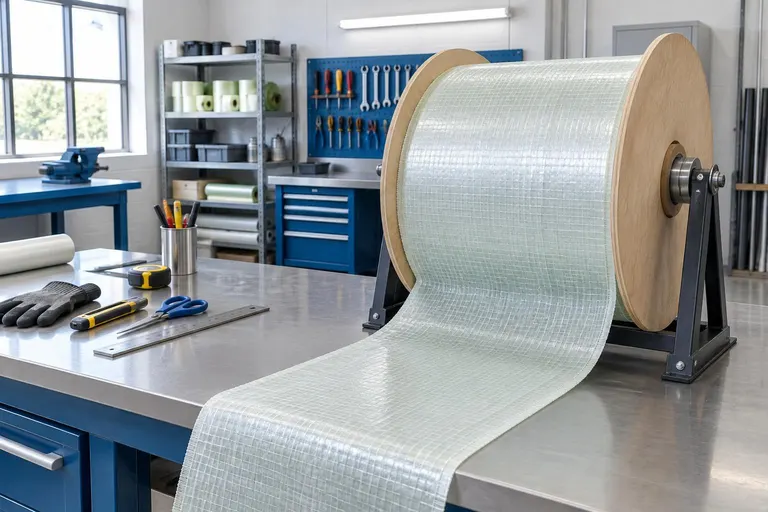
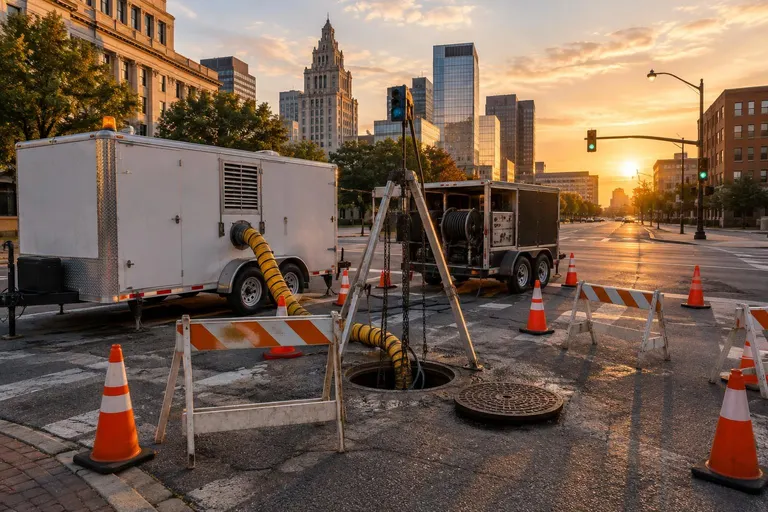
A structural liner restores the culvert in place, sealing leaks and improving the interior surface so water moves smoothly. Corrugated metal, concrete and other culvert types are all candidates.
Best for
- Road culverts
- Storm sewers
- Parking lot drains
- HOA and campus drainage
What you get with this service.
Road stays open
No open cut across traffic.
Seals soil loss
Joints and holes covered.
Improved flow
Smoother interior.
Structural liners
Designed for the load.
From first look to finished pipe.
- 1
Inspect
Assess the culvert.
- 2
Prepare
Clean and stabilize.
- 3
Line
Install and cure.
- 4
Verify
Inspect and record.
Questions, answered
Does lining reduce capacity?
The liner is thin and very smooth, so the capacity loss is usually small, and often offset by lower roughness.
Can it be done under live roads?
Yes. That is one of the main advantages.
How do I get a price?
Fill in the form or call 800-224-9245. We schedule a free camera inspection, show you the footage and send a written estimate.
How long does it take?
Most home repairs are finished in about a day. Longer runs, commercial lines and complex sites take longer, and we give you the schedule before we start.
Related services
Ready to see what is inside your pipe?
Send the form for a free camera inspection and a written estimate, or try the Pipe Problem Finder first.