
Main Sewer Line Lining
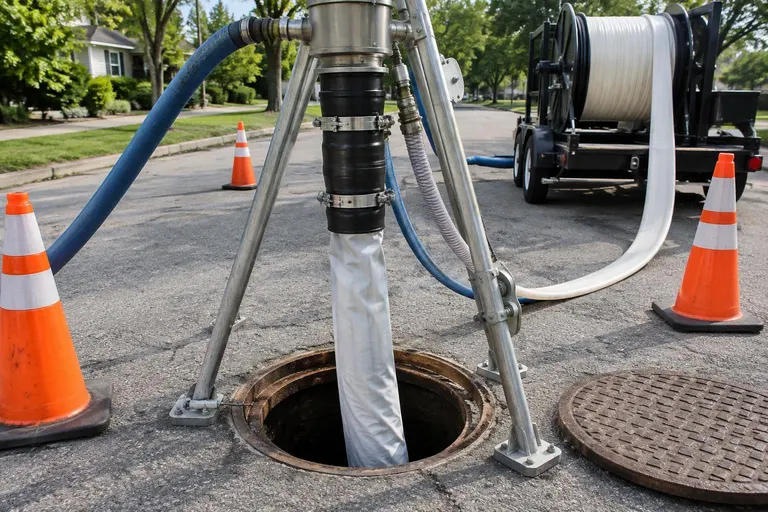
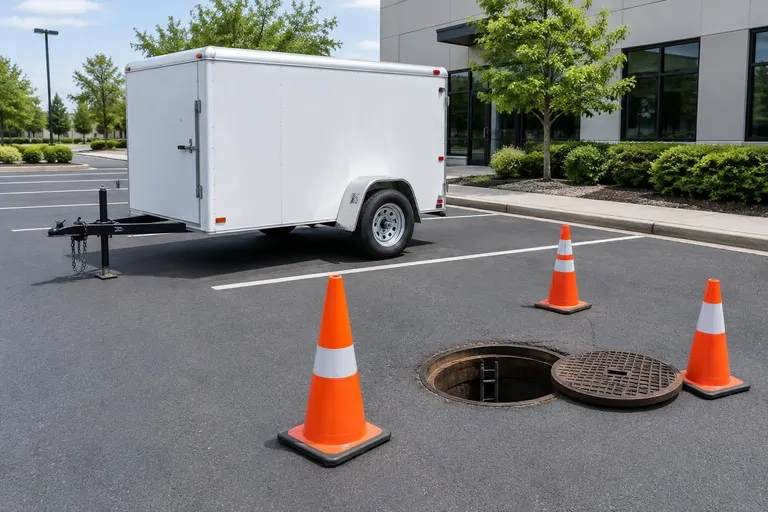
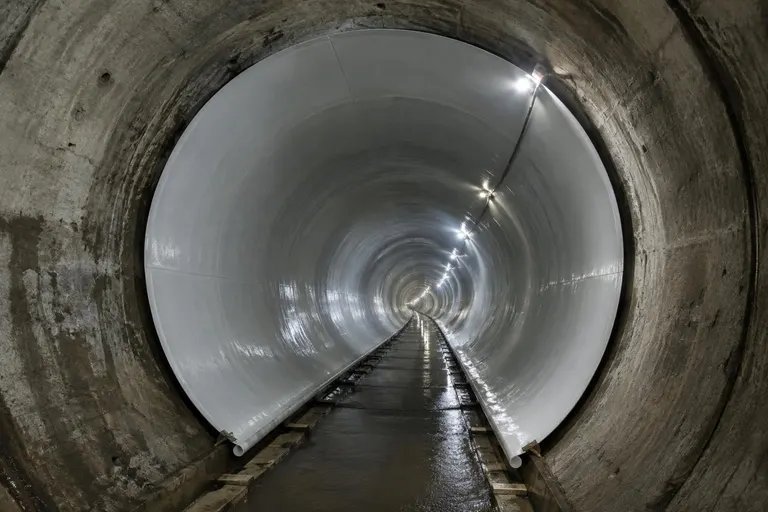
Larger mainlines under streets, parking lots and buildings, relined between access points without closing the road or tearing out pavement.
The details, in plain English.
Mainlines collect flow from many fixtures or many buildings, so a failure there is costly and disruptive. Excavating a main under asphalt, concrete or a building means cutting pavement, shoring trenches and rerouting traffic.
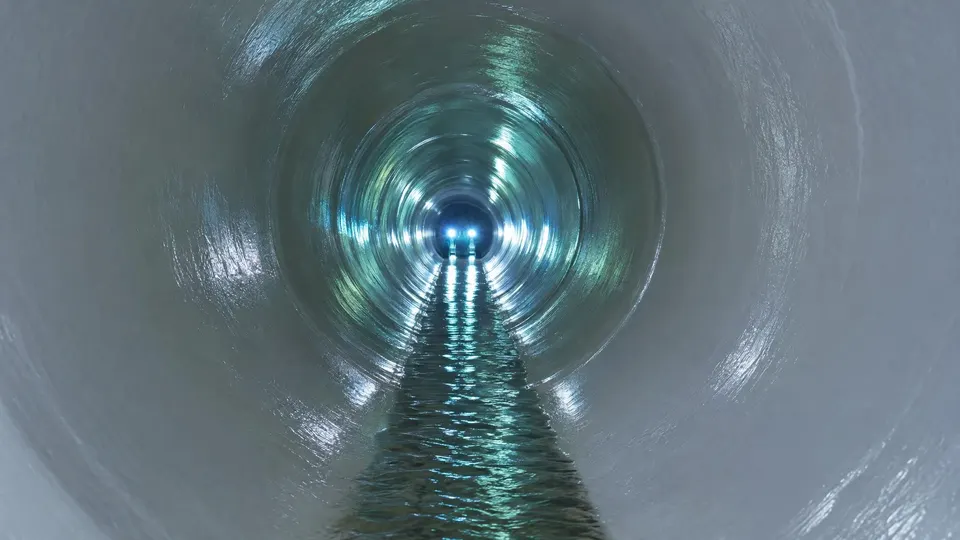
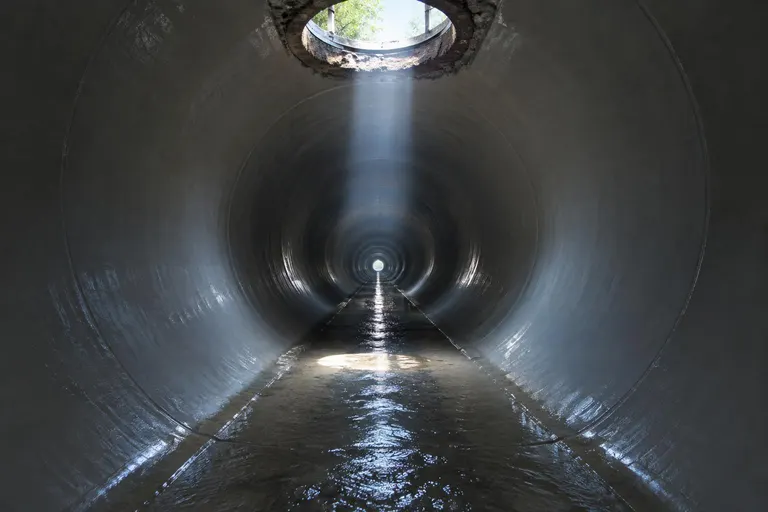
We reline mains in sections from manhole to manhole or cleanout to cleanout, with bypass pumping when flow must be kept moving. A structural liner restores the line to service with the surface left intact.
Best for
- Commercial and multi-family mainlines
- Mains under pavement or buildings
- Lines with repeated blockages and root intrusion
- Properties that cannot stop operating
What you get with this service.
Structural liner
Designed to carry its own load where the host pipe has failed.
Minimal surface impact
Pavement and parking stay open.
Bypass planning
Flow is managed during the repair.
Documented
Pre and post camera records for your files.
From first look to finished pipe.
- 1
Survey
Camera, locate and measure the run.
- 2
Clean and bypass
Clear the line and set up bypass if needed.
- 3
Install and cure
Line section by section.
- 4
Reinstate and verify
Open connections and inspect on video.
Questions, answered
How long does a mainline lining job take?
It depends on length and diameter. Short sections are often a day, and longer runs are phased so the property keeps operating.
Do you handle bypass pumping?
Yes. When flow cannot be stopped, we plan bypass as part of the job.
How do I get a price?
Fill in the form or call 800-224-9245. We schedule a free camera inspection, show you the footage and send a written estimate.
How long does it take?
Most home repairs are finished in about a day. Longer runs, commercial lines and complex sites take longer, and we give you the schedule before we start.
Related services
Ready to see what is inside your pipe?
Send the form for a free camera inspection and a written estimate, or try the Pipe Problem Finder first.