
Pipe Locating & Mapping
We trace buried pipes from the surface so you know where the line runs, how deep it is and where problems sit.
The details, in plain English.
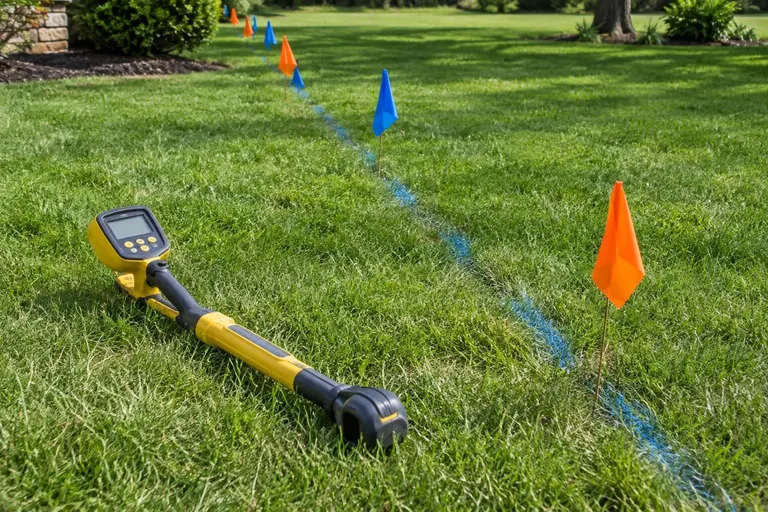
A camera with a built-in transmitter, called a sonde, lets a locator above ground follow the pipe's route and depth. Flags or paint mark the line so you know what sits over it.
Locating helps pinpoint defects for spot repairs, plan access points, avoid utilities and understand what is under the driveway or building. We also note the data in the inspection report for future work.
Best for
- Pinpointing defects for repair
- Planning cleanouts and access
- Understanding the line route
- Property improvements and landscaping
What you get with this service.
Route and depth
The line is traced and measured.
Defects marked
Problems pinned to the surface.
Plan better work
Smarter access and repair choices.
Records
Locations noted in your report.
From first look to finished pipe.
- 1
Insert the transmitter
Camera sonde in the pipe.
- 2
Trace above ground
Follow the signal.
- 3
Mark depth and route
Flags or paint.
- 4
Record
Add to the report.
Questions, answered
Does locating replace calling 811?
No. Utility locating before any digging is separate and required. Pipe locating traces your own sewer line.
How accurate is it?
Depth and route are usually accurate to a small margin, and we confirm with the camera.
How do I get a price?
Fill in the form or call 800-224-9245. We schedule a free camera inspection, show you the footage and send a written estimate.
How long does it take?
Most home repairs are finished in about a day. Longer runs, commercial lines and complex sites take longer, and we give you the schedule before we start.
Related services
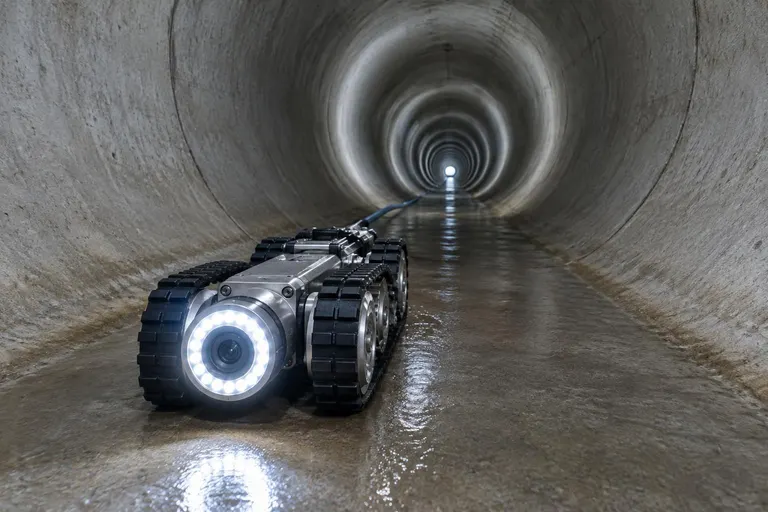
Sewer Camera Inspection
HD video of the inside of your pipe, with the damage located and explained.
Explore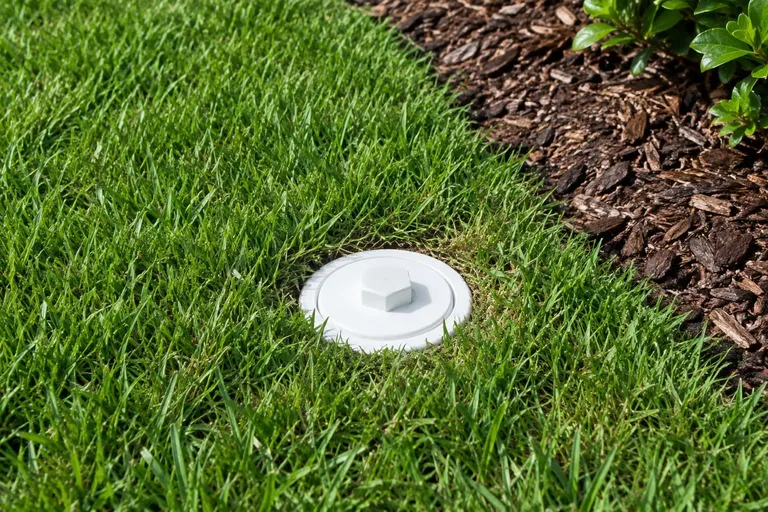
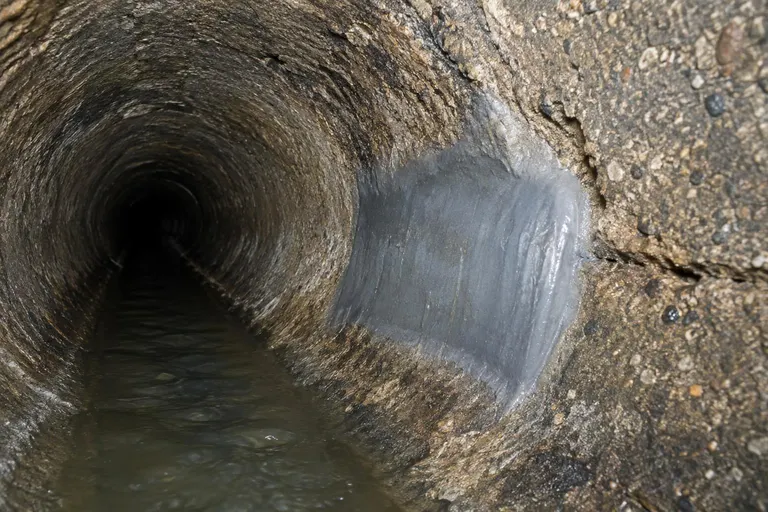
Point Repair (Localized CIPP)
A sectional liner patch that repairs one defect without lining the whole line.
ExploreReady to see what is inside your pipe?
Send the form for a free camera inspection and a written estimate, or try the Pipe Problem Finder first.