
Clay Pipe Lining
Vitrified clay is tough but its joints let roots in. Lining seals every joint and cracks into one continuous pipe.
The details, in plain English.
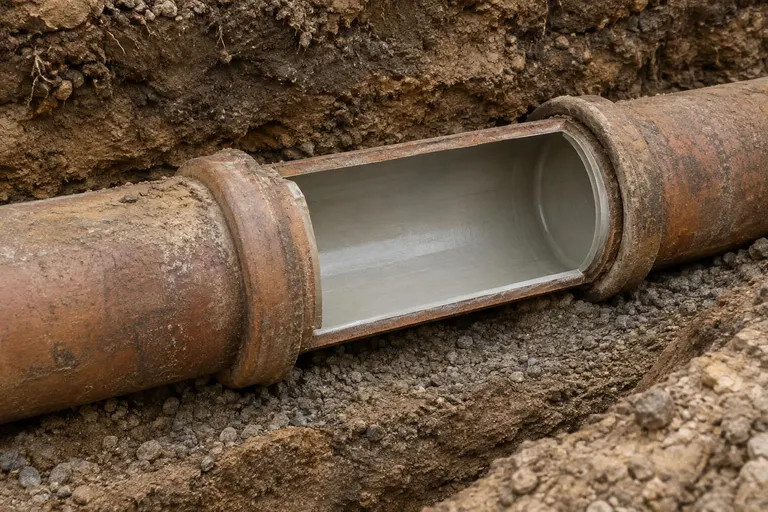
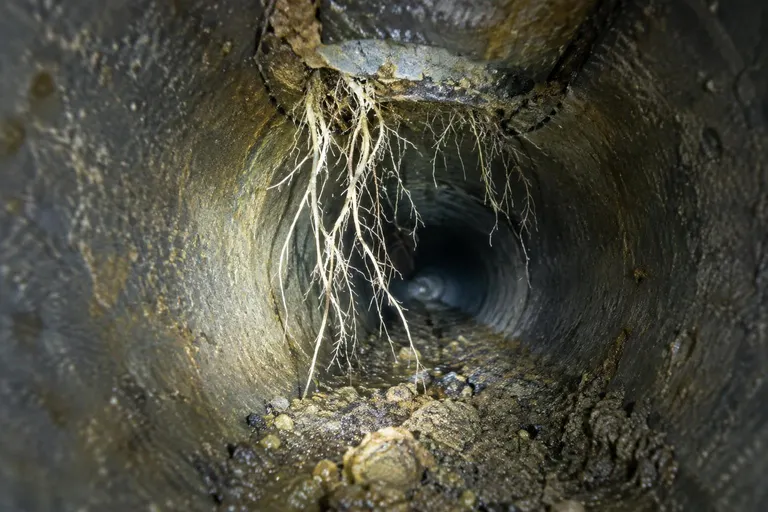
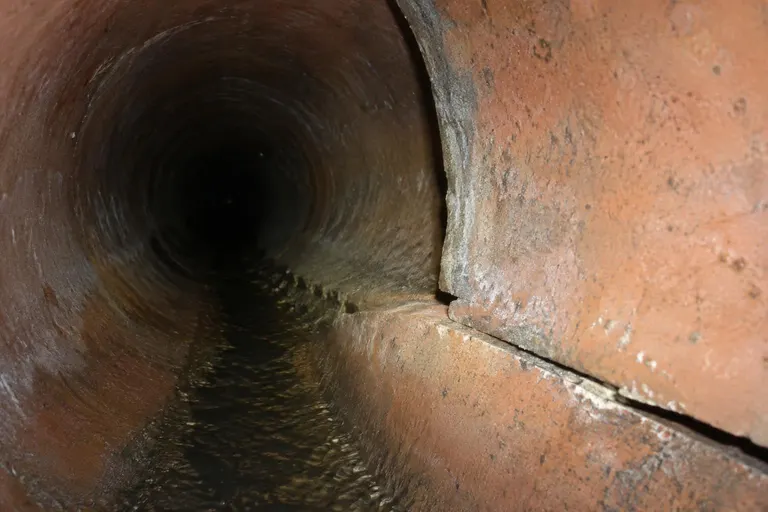
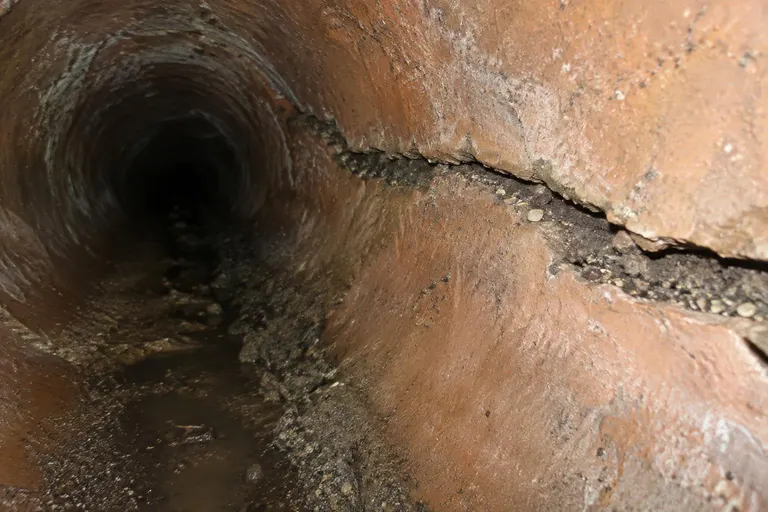
Vitrified clay pipe has been used for sewers for well over a century and is chemically durable. Its weakness is the joint: short segments with many joints give roots and groundwater plenty of ways in, and brittle clay cracks under load or ground movement.
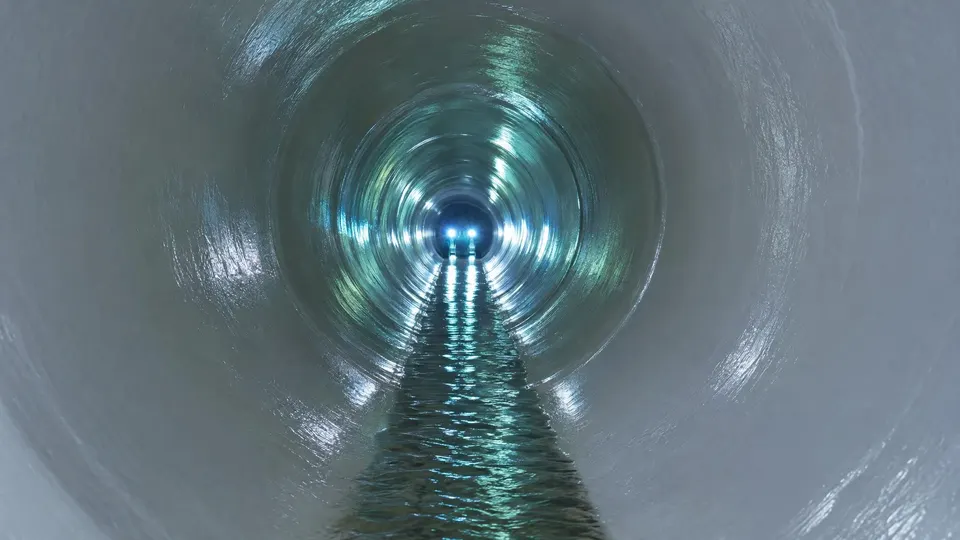
A CIPP liner covers every joint and crack with a single continuous pipe, eliminating the weak points while keeping the proven host pipe as the outer shell.
Best for
- Older neighborhoods
- Tree-lined streets
- Lines with repeated root clogs
- Cracked or offset clay
What you get with this service.
Seals every joint
Dozens of weak points become none.
Stops roots
No gaps to enter.
Uses the host pipe
The clay stays as an outer shell.
No trench
Streets and yards stay intact.
From first look to finished pipe.
- 1
Camera the clay
Map joints and cracks.
- 2
Cut roots
Clear the line.
- 3
Line
Install and cure.
- 4
Verify
Camera the smooth pipe.
Questions, answered
Is clay pipe worth saving?
Often yes. The clay itself lasts a long time, and lining fixes the joints and cracks that cause problems.
Can broken clay be lined?
Cracked and offset clay can often be lined. Collapsed sections need another plan.
How do I get a price?
Fill in the form or call 800-224-9245. We schedule a free camera inspection, show you the footage and send a written estimate.
How long does it take?
Most home repairs are finished in about a day. Longer runs, commercial lines and complex sites take longer, and we give you the schedule before we start.
Related services
Ready to see what is inside your pipe?
Send the form for a free camera inspection and a written estimate, or try the Pipe Problem Finder first.