
Cracked Pipe Repair
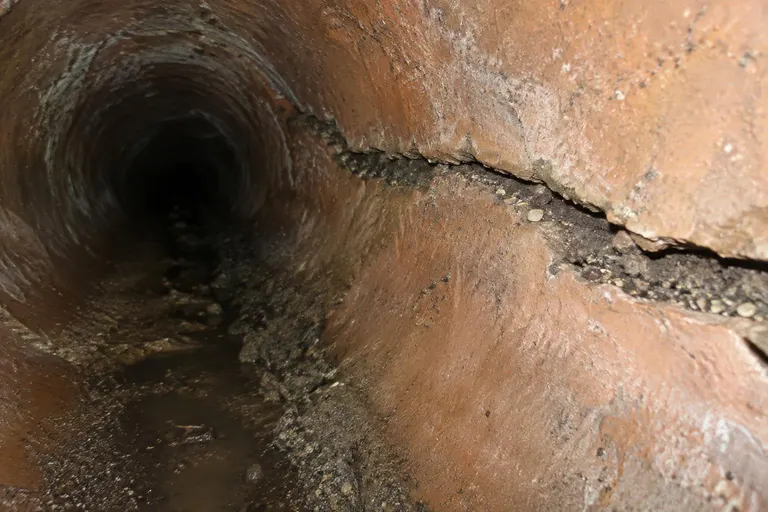
Longitudinal, circumferential and hairline cracks let roots in and wastewater out. Lining seals them from the inside, without a trench.
The details, in plain English.
Pipes crack from age, ground movement, heavy loads, freeze-thaw and shifting soil. A crack lets groundwater in, wastewater out and roots through, and it only gets worse.
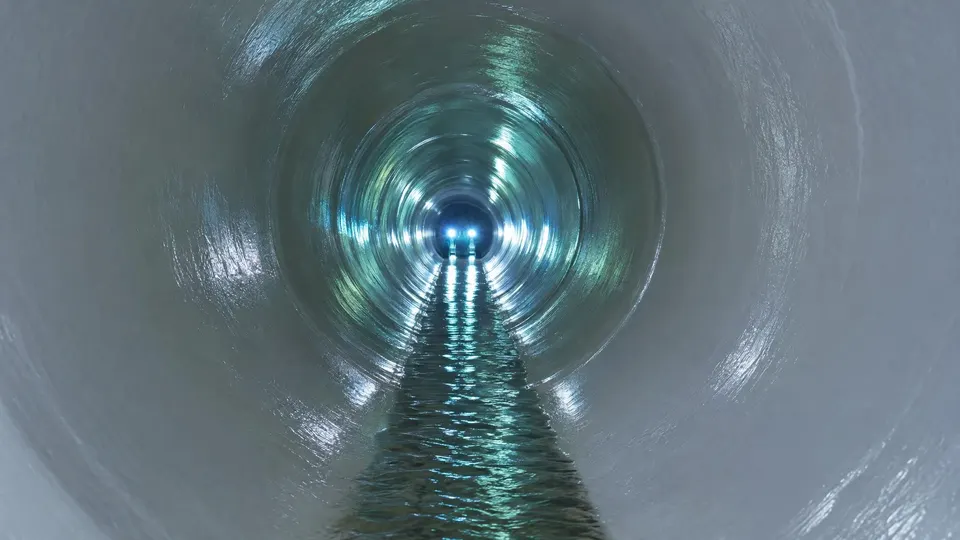
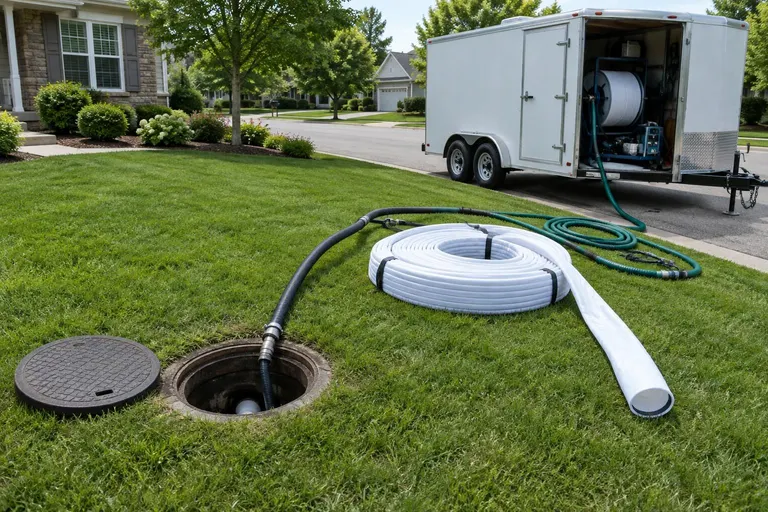
CIPP lining covers cracks with a continuous resin liner that bonds to the pipe wall. Single cracks can be sealed with a point repair, while widespread cracking calls for a full-length liner. A camera inspection decides which.
Best for
- Pipes with visible cracks on camera
- Recurring leaks and infiltration
- Aging clay or cast iron lines
- Lines with root entry at cracks
What you get with this service.
Seals from inside
The liner covers the full circumference.
Stops root entry
No gaps remain for roots.
Spot or full repair
Sized to the damage.
No excavation
Work is done through existing access.
From first look to finished pipe.
- 1
Camera the crack
Measure its location and extent.
- 2
Clean the pipe
Remove debris and roots.
- 3
Line the section
Spot sleeve or full liner.
- 4
Verify
Film the sealed pipe.
Questions, answered
Can a hairline crack be ignored?
Small cracks grow and let roots in. A camera inspection tells you whether it needs repair now or can be watched.
Will the liner crack too?
The liner is a flexible, jointless pipe designed to handle normal ground movement, and it is not subject to the same joint failures.
How do I get a price?
Fill in the form or call 800-224-9245. We schedule a free camera inspection, show you the footage and send a written estimate.
How long does it take?
Most home repairs are finished in about a day. Longer runs, commercial lines and complex sites take longer, and we give you the schedule before we start.
Related services
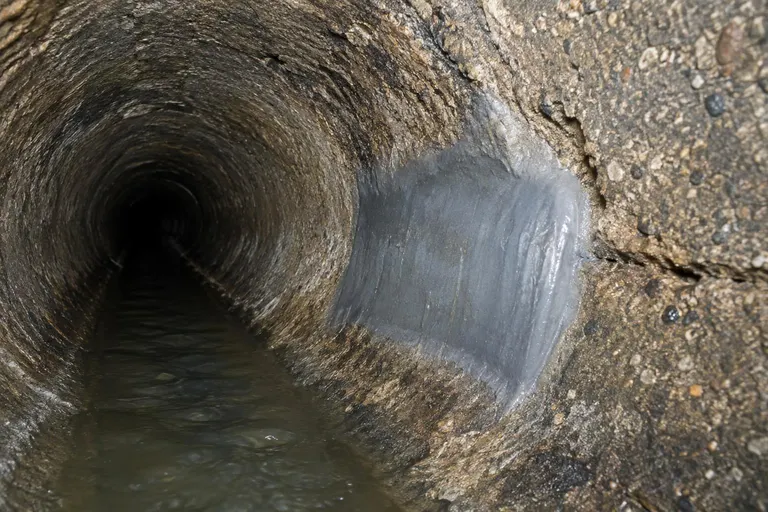
Point Repair (Localized CIPP)
A sectional liner patch that repairs one defect without lining the whole line.
Explore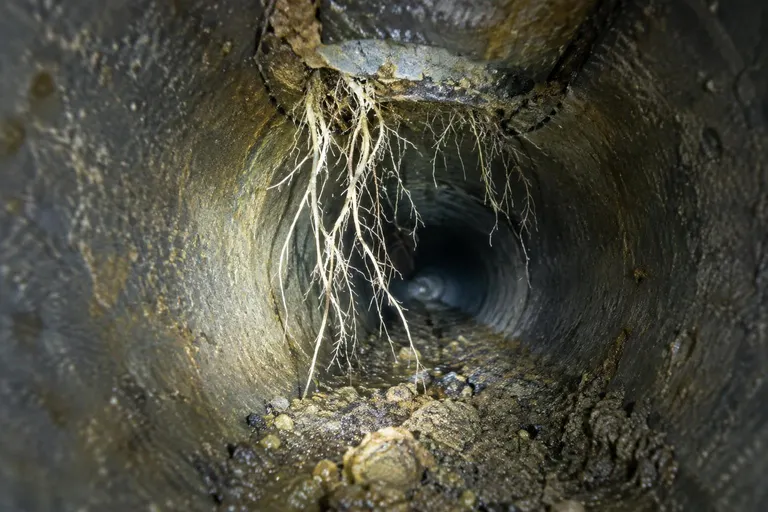
Ready to see what is inside your pipe?
Send the form for a free camera inspection and a written estimate, or try the Pipe Problem Finder first.