
Concrete Pipe Lining
Concrete sewers and storm drains erode, especially from gases at the crown. A structural liner restores them without excavation.
The details, in plain English.
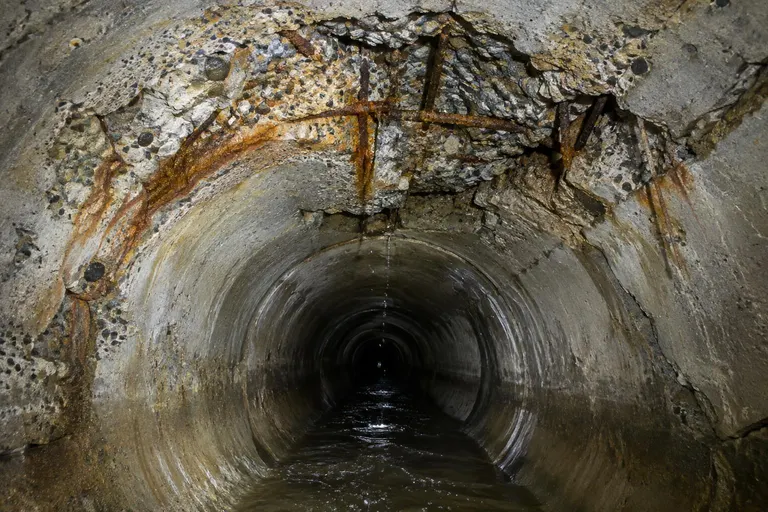
Concrete is used for large sewers and storm drains. In sanitary systems, hydrogen sulfide gas forms sulfuric acid that eats away the pipe crown, exposing aggregate and reinforcing steel. Joints also leak.
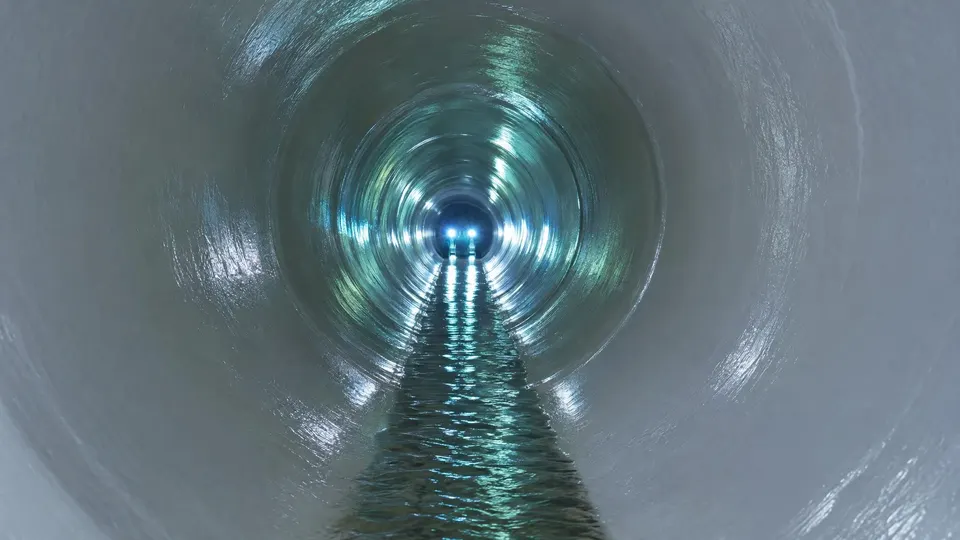
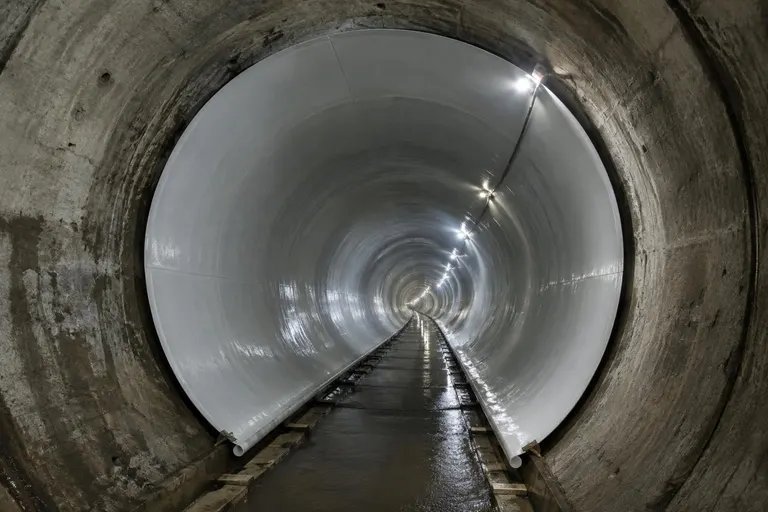
A structural liner, often glass-fiber or thick felt, restores the pipe and creates a corrosion-resistant interior. Large concrete pipe is handled with careful planning for safe entry, bypass and design loads.
Best for
- Municipal sewers and storm drains
- Industrial discharge lines
- Pipes with crown corrosion
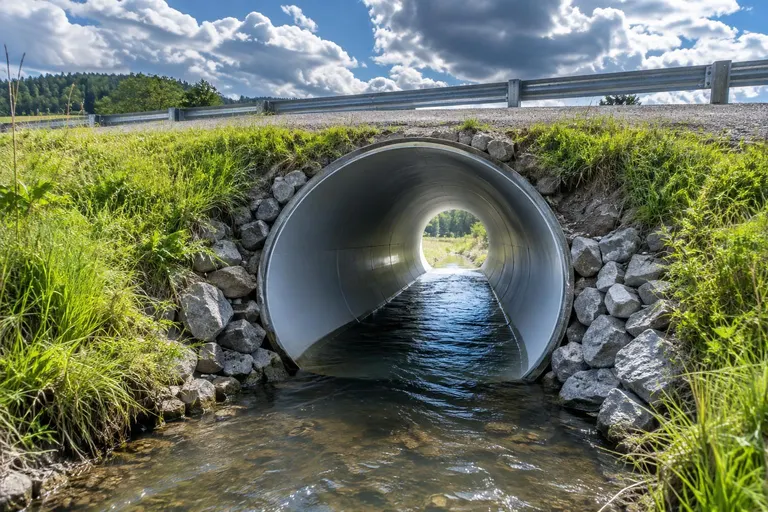
- Culverts
What you get with this service.
Corrosion-resistant interior
Protects against gas attack.
Structural option
Designed for the load.
No open cut
Roads and structures stay open.
Documented
Inspection and records.
From first look to finished pipe.
- 1
Inspect
Assess corrosion and structure.
- 2
Prepare
Clean and repair voids.
- 3
Line
Install and cure.
- 4
Verify
Inspect and record.
Questions, answered
Can corroded concrete be lined?
Often yes. The design depends on how much structural capacity remains, and an inspection sets the plan.
Do you need to take the pipe out of service?
Flow is bypassed or controlled during the work.
How do I get a price?
Fill in the form or call 800-224-9245. We schedule a free camera inspection, show you the footage and send a written estimate.
How long does it take?
Most home repairs are finished in about a day. Longer runs, commercial lines and complex sites take longer, and we give you the schedule before we start.
Related services
Ready to see what is inside your pipe?
Send the form for a free camera inspection and a written estimate, or try the Pipe Problem Finder first.