
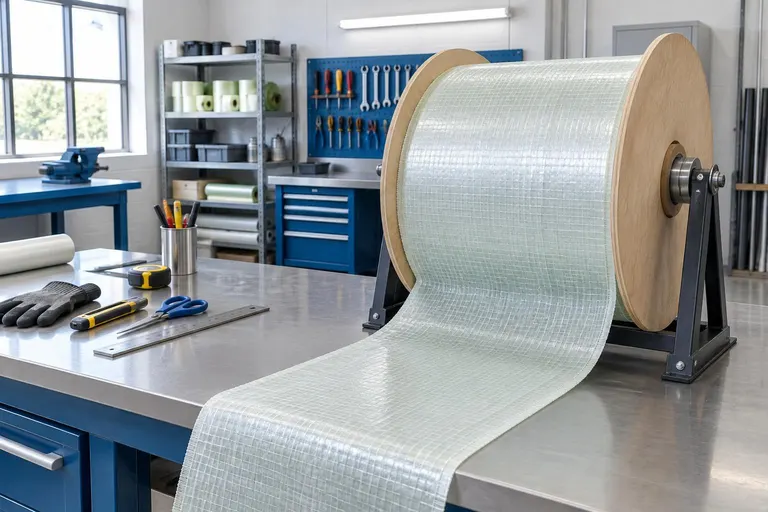
Fiberglass CIPP Liners
Glass-fiber reinforced liners deliver high strength in a thin wall, a good fit when diameter matters and the host pipe needs real structural help.
The details, in plain English.
Fiberglass liners use woven or stitched glass fabric instead of, or alongside, felt. After resin saturation and curing, the glass gives high stiffness and strength with less wall thickness, which preserves more of the pipe's flow area.
They are a good option for larger diameters, deteriorated host pipes, storm lines and projects where a thinner structural liner is desirable. We choose between felt and glass-fiber liners based on loads, diameter and cure method.
Best for
- Larger diameter mains
- Deteriorated host pipes needing structure
- Storm and culvert lines
- Projects where flow area matters
What you get with this service.
High strength
Glass fiber adds stiffness to a thin wall.
Preserves flow area
Thinner liners lose less diameter.
UV and heat compatible
Fits several cure methods.
Designed to load
Wall thickness is engineered for the pipe.
From first look to finished pipe.
- 1
Design the liner
Pick wall thickness for the pipe and loads.
- 2
Saturate and install
Wet out the glass fabric and install.
- 3
Cure
UV, steam or hot water as suited.
- 4
Verify
Camera and records.
Questions, answered
Is fiberglass stronger than felt?
Glass-fiber liners can reach a given strength with a thinner wall. Both are engineered to the job, and the right choice depends on the pipe.
Do fiberglass liners cost more?
They can, depending on size and project. The estimate shows the options.
How do I get a price?
Fill in the form or call 800-224-9245. We schedule a free camera inspection, show you the footage and send a written estimate.
How long does it take?
Most home repairs are finished in about a day. Longer runs, commercial lines and complex sites take longer, and we give you the schedule before we start.
Related services


Ready to see what is inside your pipe?
Send the form for a free camera inspection and a written estimate, or try the Pipe Problem Finder first.