
Cured-In-Place Pipe Lining
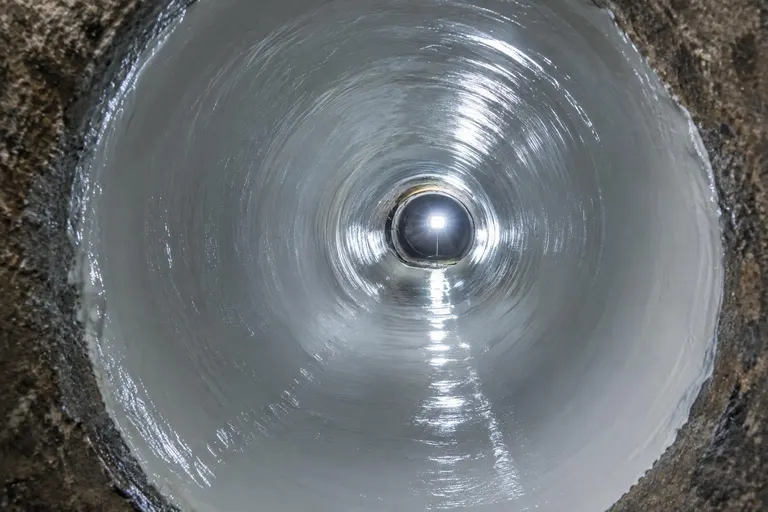
A resin-saturated liner goes into your damaged pipe through an existing access point and cures into a new, seamless pipe inside the old one. No trench required.
The details, in plain English.
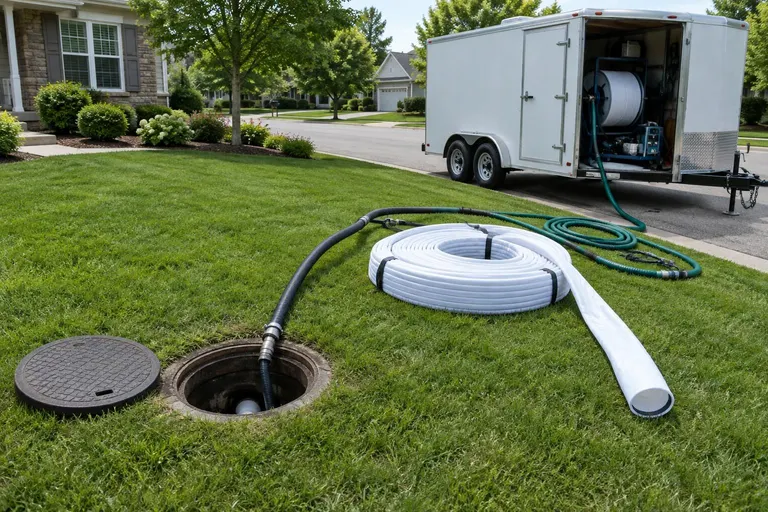
Cured-in-place pipe lining, or CIPP, is the most widely used trenchless way to repair sewer and drain pipes. A flexible liner soaked in resin is pulled or inverted into the host pipe, pressed against its walls and cured with hot water, steam or ultraviolet light. When it hardens, it becomes a structural pipe of its own.
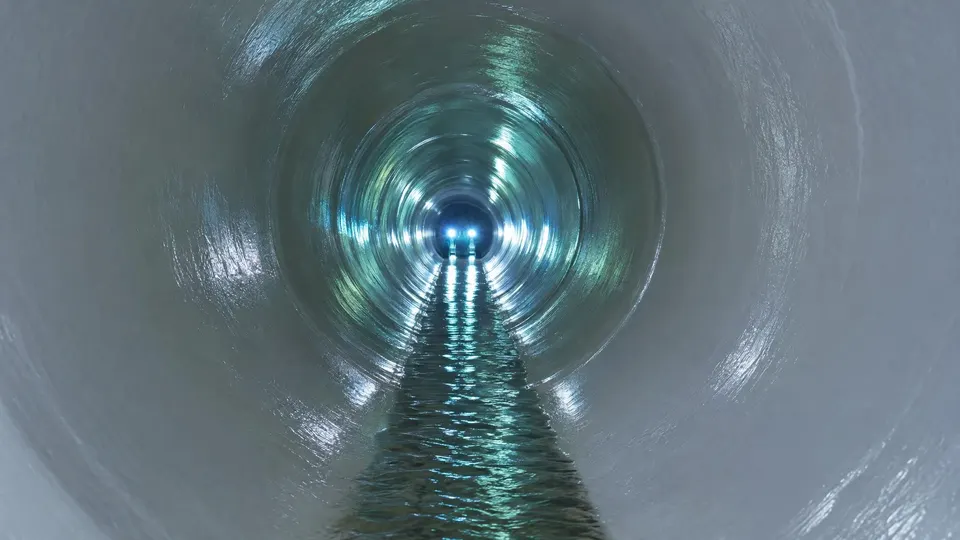
Because the liner is continuous, it seals cracks, leaking joints and small holes, blocks roots from re-entering and leaves a smooth interior that flows well. The work happens through cleanouts and manholes, so yards, driveways and floors stay intact in most projects.
Best for
- Cracked, leaking or root-infested sewer lines
- Pipes under lawns, driveways or slabs
- Old clay, cast iron or Orangeburg lines
- Anyone who wants the repair done in a day
What you get with this service.
Seamless and jointless
No joints means nowhere for roots or groundwater to enter.
Little or no digging
Work is done through existing access points in most cases.
Smooth flow
A smooth liner wall helps wastewater move and resists buildup.
Built to last
Properly installed liners are designed for decades of service.
From first look to finished pipe.
- 1
Inspect and clean
A camera maps the damage and the pipe is cleared of roots and debris.
- 2
Prepare and saturate the liner
The liner is cut to length and saturated with resin.
- 3
Install and cure
The liner is inverted or pulled in, then cured with hot water, steam or UV.
- 4
Reopen and verify
Connections are reopened and a final camera run proves the result.
Questions, answered
Is CIPP a permanent fix?
A properly installed liner is designed to last for decades and is widely cited with a 50-year design life. It restores the pipe structurally, not just temporarily.
Does lining make the pipe smaller?
The liner is thin, so the diameter shrinks slightly, but its smooth wall usually moves water as well or better than the old rough pipe.
How do I get a price?
Fill in the form or call 800-224-9245. We schedule a free camera inspection, show you the footage and send a written estimate.
How long does it take?
Most home repairs are finished in about a day. Longer runs, commercial lines and complex sites take longer, and we give you the schedule before we start.
Related services
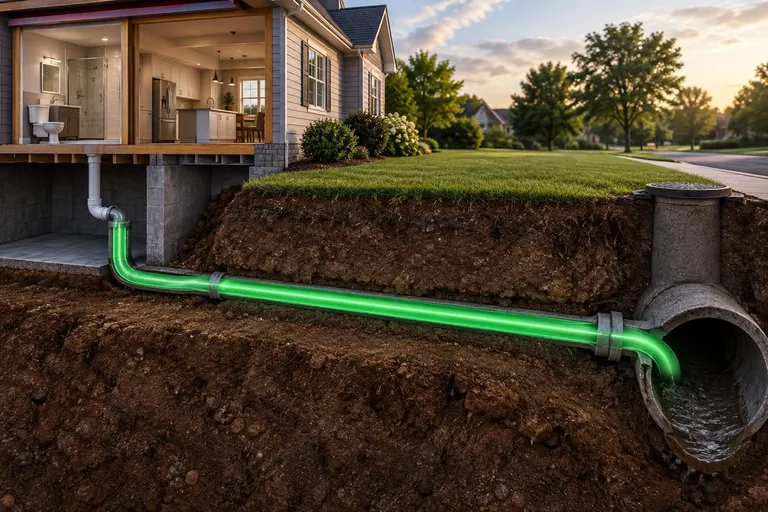
Lateral Lining (Main-to-House)
Reline the private lateral from the cleanout to the street connection.
Explore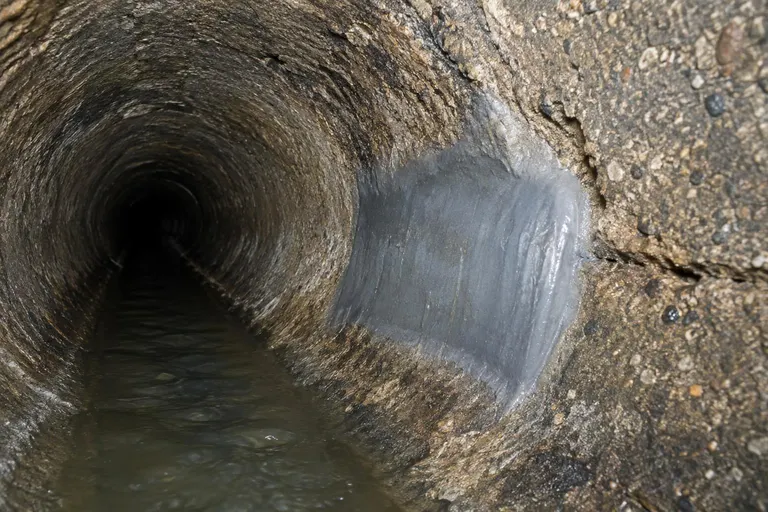
Point Repair (Localized CIPP)
A sectional liner patch that repairs one defect without lining the whole line.
ExploreReady to see what is inside your pipe?
Send the form for a free camera inspection and a written estimate, or try the Pipe Problem Finder first.