
CIPP pipe lining FAQ.
What CIPP is, cost, timing, lifespan, which pipes qualify and what to expect.
Everything people ask us
What is CIPP pipe lining?
CIPP stands for cured-in-place pipe. A flexible liner soaked in resin is installed inside your damaged pipe and cured with hot water, steam or UV light until it hardens into a new, seamless pipe within the old one. It repairs cracks, leaking joints and root intrusion without trenching up your yard or street.
Do you have to dig up my yard?
In most cases, no. The liner goes in through an existing cleanout or manhole, so lawns, driveways, patios and floors stay in place. If the camera shows a pipe that has collapsed or a section that cannot be lined, we tell you and explain the options, which may include a small spot dig or pipe bursting.
How long does a CIPP repair take?
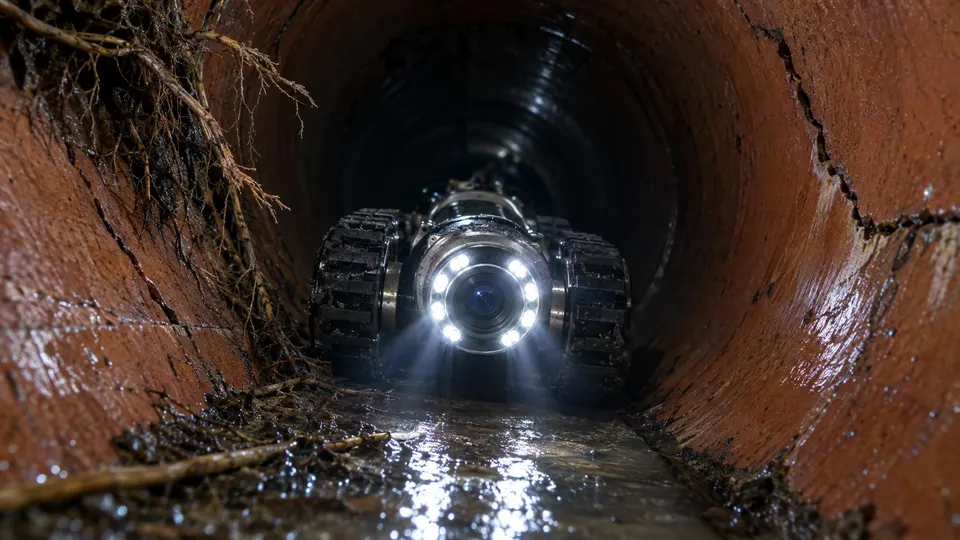
A typical home sewer lining is finished in about a day: camera inspection, cleaning, liner installation, cure and a final camera run. Longer runs, commercial lines and complex sites take longer, and we give you a schedule before we start.
How much does CIPP lining cost?
Published U.S. ranges commonly run about $80 to $250 or more per foot for residential lining and about $100 to $300 or more for commercial work, depending on diameter, length, access and conditions. The Cost Estimator on this site gives a planning range; a free camera inspection gives a firm written price. Call 800-224-9245.
How long does a CIPP liner last?
A 50-year design life is widely cited for CIPP. That is an engineering design basis, not a guarantee, and real performance depends on cleaning, installation quality and the condition of the host pipe. Ask for the warranty terms in writing and keep the final camera footage.
Can every pipe be lined?
No. Lining works on pipes that are still roughly round and in place: cracked, corroded, leaking or root-invaded. A collapsed pipe or a deep belly that holds water usually cannot be lined. A camera inspection tells us which you have, and we say so plainly.
Will tree roots grow back?
A continuous liner has no joints for roots to enter, so roots generally cannot get back into the pipe. We cut and clean the roots out first so the liner bonds to a clean host pipe.
Can I use my plumbing during the repair?
Usually you will be asked to limit water use for a few hours while the liner cures. We tell you exactly when before the work starts.
What kinds of pipe do you line?
Cast iron, vitrified clay, Orangeburg, PVC and ABS, concrete, steel and galvanized, in sizes from small residential drains to large municipal mains. Each material has its own prep and limits, and the camera inspection decides.
How do I get a quote?
Fill in the form on any page or call 800-224-9245. We schedule a free camera inspection, show you the footage and send a written estimate.
Did we miss yours?
Call or text 800-224-9245.