
Orangeburg Pipe Lining
Orangeburg, a tar-impregnated fiber pipe used in mid-century homes, deforms and collapses. Lining can often restore it, and we tell you when it cannot.
The details, in plain English.
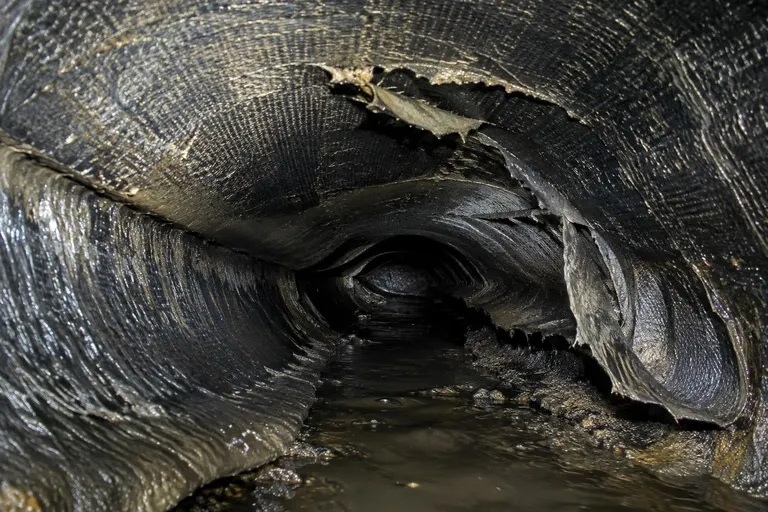
Orangeburg pipe is made of layered wood pulp fiber soaked in coal tar pitch. It was widely used in homes built in the 1940s to 1970s, and it softens, flakes and deforms over time, often into an oval or collapsed shape.
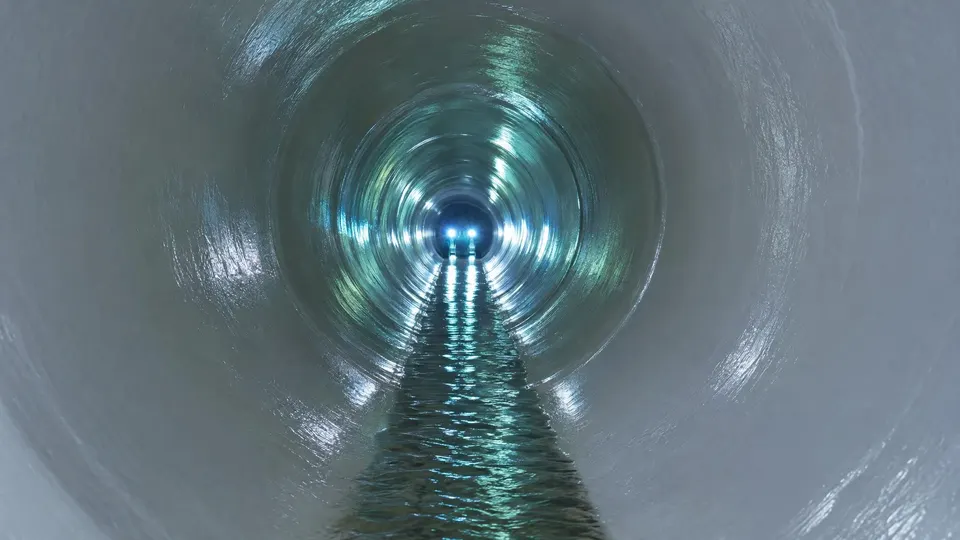
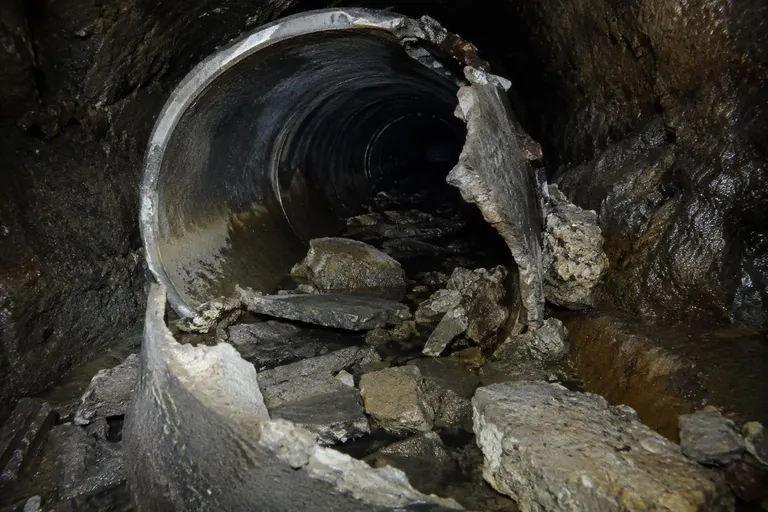
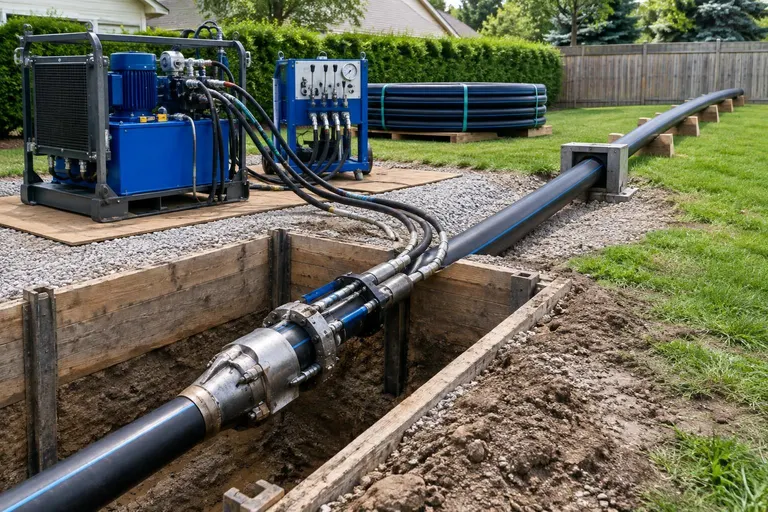
Many Orangeburg lines can be cleaned and lined, with the liner restoring a round, structural pipe. Badly collapsed Orangeburg cannot take a liner, so replacement by bursting or a short excavation may be needed. The camera shows which situation you have.
Best for
- Homes from the 1940s to 1970s
- Deformed or oval pipe
- Lines with peeling layers
- Planning a long-term fix
What you get with this service.
Camera assessment
We judge if it is linable.
Rounds the pipe
The liner restores shape.
Honest limits
Collapsed pipe needs a different plan.
Replacement option
Pipe bursting if needed.
From first look to finished pipe.
- 1
Camera
Assess shape and condition.
- 2
Decide
Line or replace.
- 3
Carry out
Install or burst.
- 4
Verify
Camera the new pipe.
Questions, answered
How do I know if I have Orangeburg?
A camera shows a dark, fibrous, often oval pipe. Homes built in the mid-1900s are the usual candidates.
Should I replace Orangeburg instead of lining it?
If it is still open enough, lining can work well. If it is collapsing, replacement is the sound choice.
How do I get a price?
Fill in the form or call 800-224-9245. We schedule a free camera inspection, show you the footage and send a written estimate.
How long does it take?
Most home repairs are finished in about a day. Longer runs, commercial lines and complex sites take longer, and we give you the schedule before we start.
Related services

Ready to see what is inside your pipe?
Send the form for a free camera inspection and a written estimate, or try the Pipe Problem Finder first.