
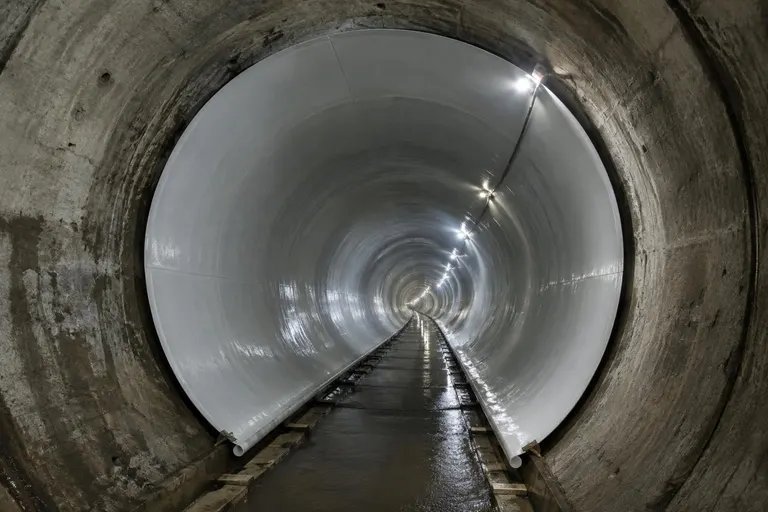
Large-Diameter Pipe Lining
Interceptors, trunk sewers and big storm lines can be rehabilitated in place, avoiding the enormous cost and disruption of open-cut replacement.
The details, in plain English.
Large pipes carry large consequences. Replacing a trunk sewer or a storm line means deep trenches, traffic detours and months of work. Lining restores the pipe in place, often with a structural liner designed to carry soil and traffic loads.
Large-diameter jobs are engineered: we review the existing pipe, flows, depth and loads, then specify the liner, cure method and bypass plan. Safe entry, inspection and documentation are part of every project.
Best for
- Trunk sewers and interceptors
- Large storm drains
- Concrete and brick pipes
- Public agencies and campuses
What you get with this service.
Engineered liners
Wall thickness is designed for the host pipe.
Less disruption
Roads and structures stay in service.
Safe entry planning
Confined space practices are followed.
Full records
Inspection data for each section.
From first look to finished pipe.
- 1
Assess
Inspect, measure and review the loads.
- 2
Design and plan
Select the liner, cure and bypass.
- 3
Install and cure
Line in sections.
- 4
Test and inspect
Verify the finished pipe.
Questions, answered
How big a pipe can be lined?
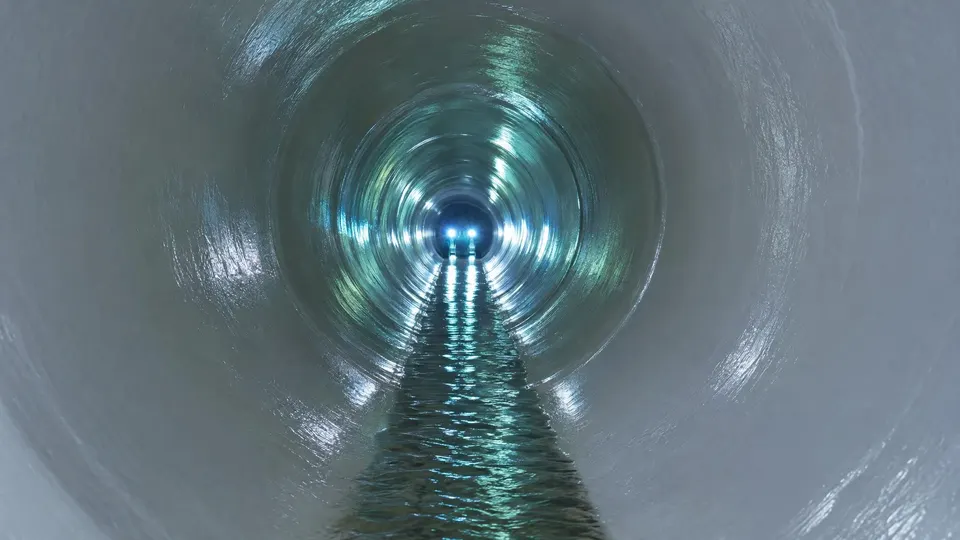
CIPP is used in very large pipes. The limits depend on the design, access and site, and are set during assessment.
Do you need to shut down flow?
Flow is controlled or bypassed during installation and cure.
How do I get a price?
Fill in the form or call 800-224-9245. We schedule a free camera inspection, show you the footage and send a written estimate.
How long does it take?
Most home repairs are finished in about a day. Longer runs, commercial lines and complex sites take longer, and we give you the schedule before we start.
Related services
Ready to see what is inside your pipe?
Send the form for a free camera inspection and a written estimate, or try the Pipe Problem Finder first.