
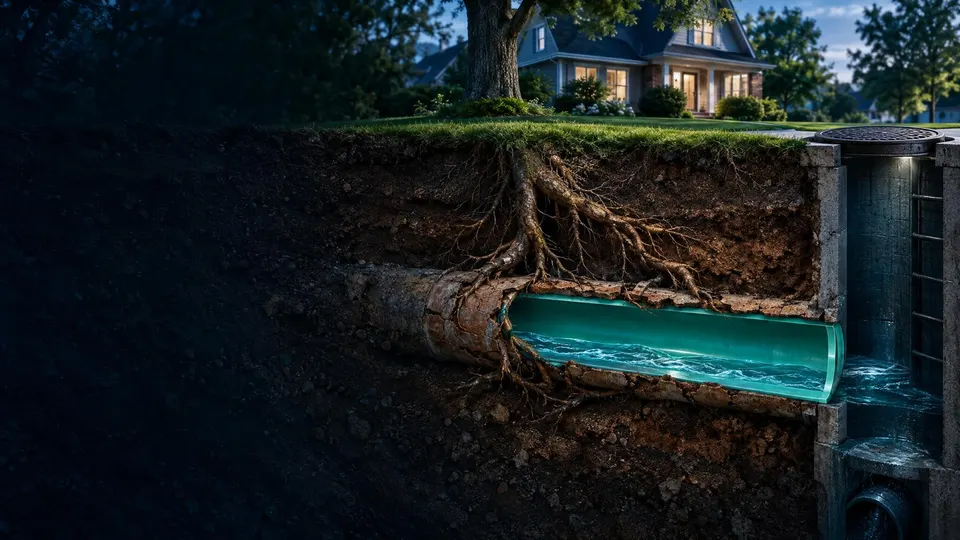
Pipe repair without the dig.
A resin liner goes in through your cleanout and cures into a brand-new pipe inside the old one. Cracks, roots and leaking joints are sealed in about a day, and your yard, driveway and floors stay exactly as they are.
- 1 daytypical home repair
- 50 yrdesign life often cited
- 48services
- 66cities
Fix the pipe, keep the property.
Six reasons homeowners, managers and cities choose to line instead of dig.
No dig, no mess
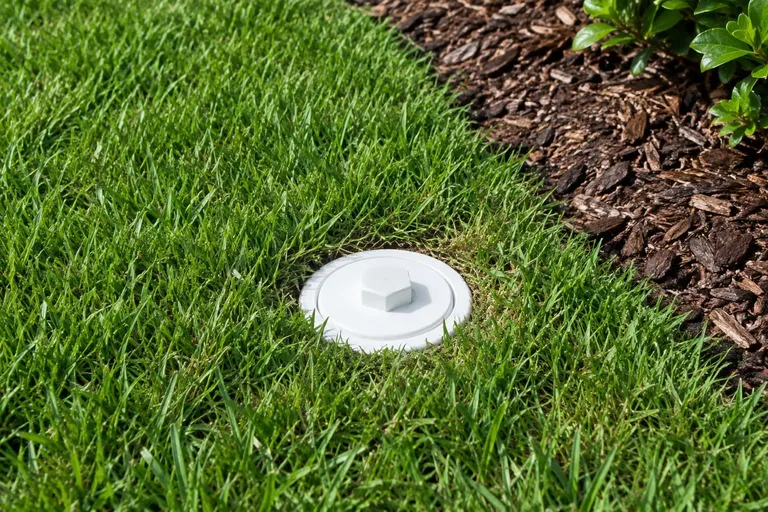
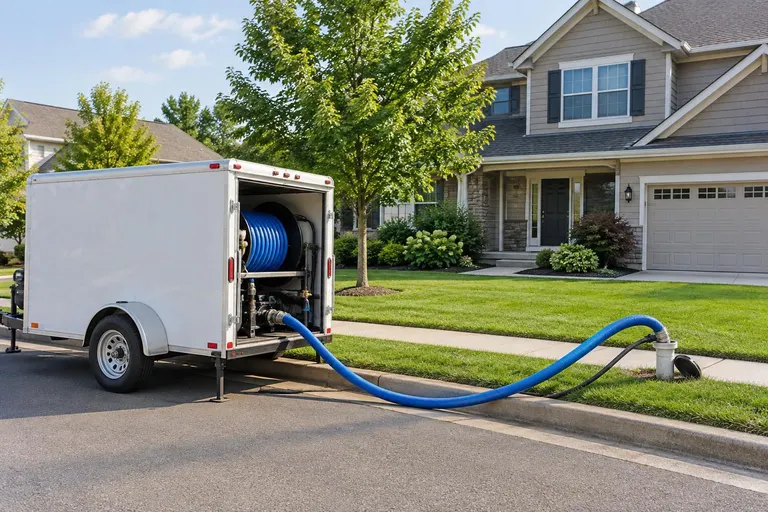
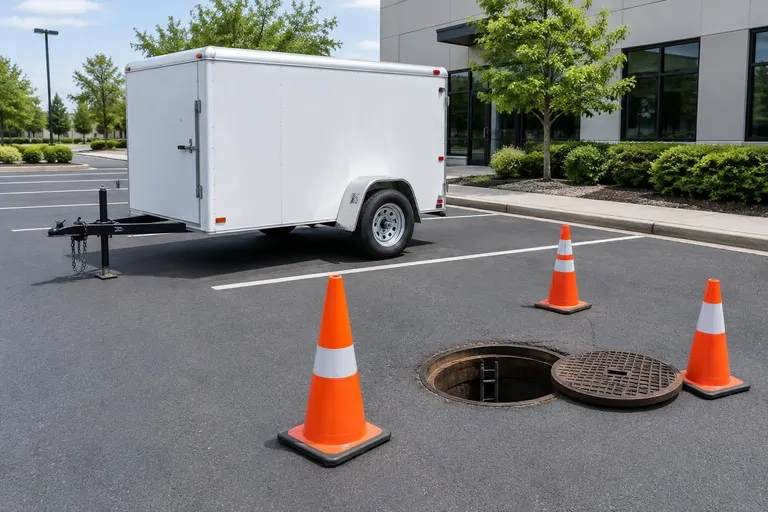
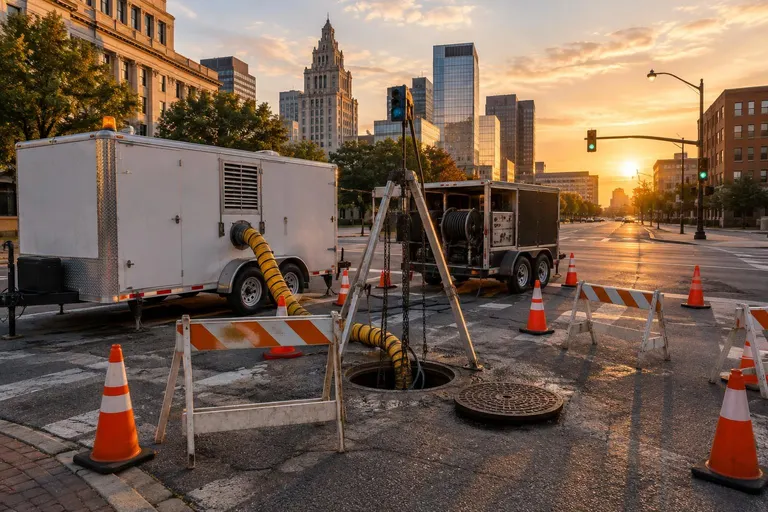
Repairs go through existing cleanouts and manholes. Lawns, driveways, patios and parking lots stay where they are.
Done in a day
Most residential repairs are finished in a single visit. Cure takes hours, not the days a trench and backfill need.
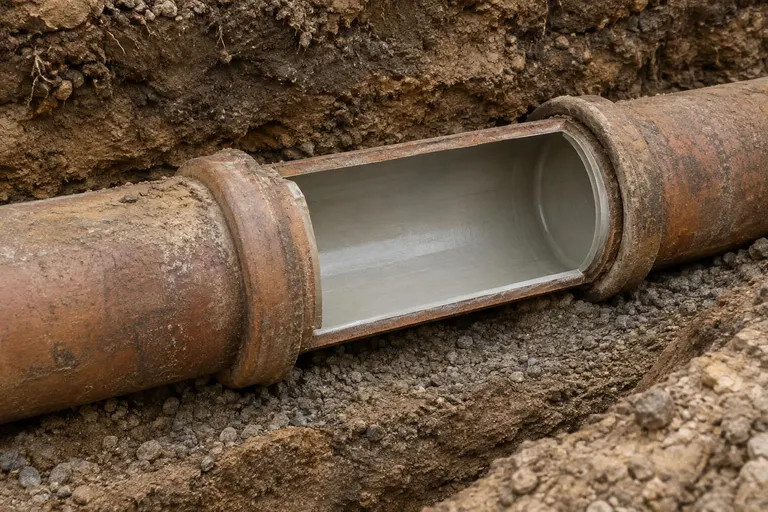
A new pipe inside the old
The liner forms a jointless, smooth pipe that seals cracks and joints and blocks roots from getting back in.
Camera before and after
We show you the damage on video first and prove the result on video last. No guessing and no surprises.
Straight pricing
A written estimate after the camera inspection, with the length, diameter and access listed so you can compare quotes.
Local to your soil
Clay, roots, cast iron, groundwater: the right resin and cure method depend on your pipes and your region.
A pipe gets a second life.
Scroll to follow a real repair from camera inspection to final verification. Every step has a job.
- 01
Inspect and clean
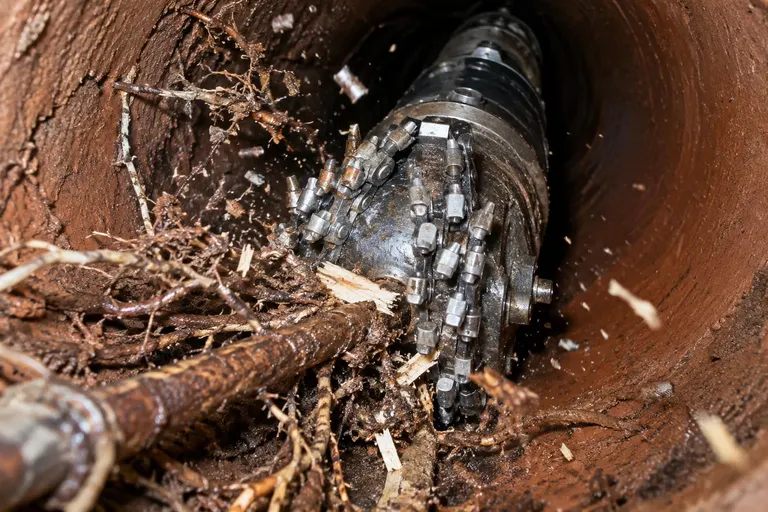
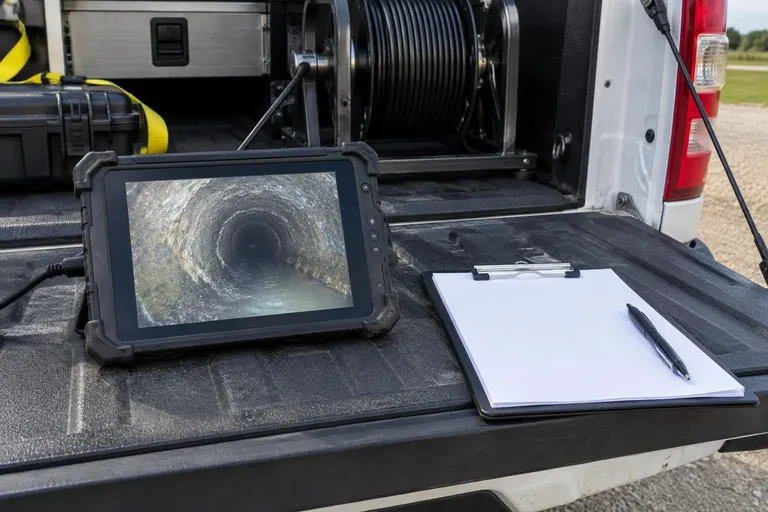
A camera crawler maps the pipe and records every crack, root, offset and low spot. Roots and debris are cleared by cutting and hydro-jetting so the liner has a clean host pipe to bond to.
Camera inspection - 02
Prepare the liner
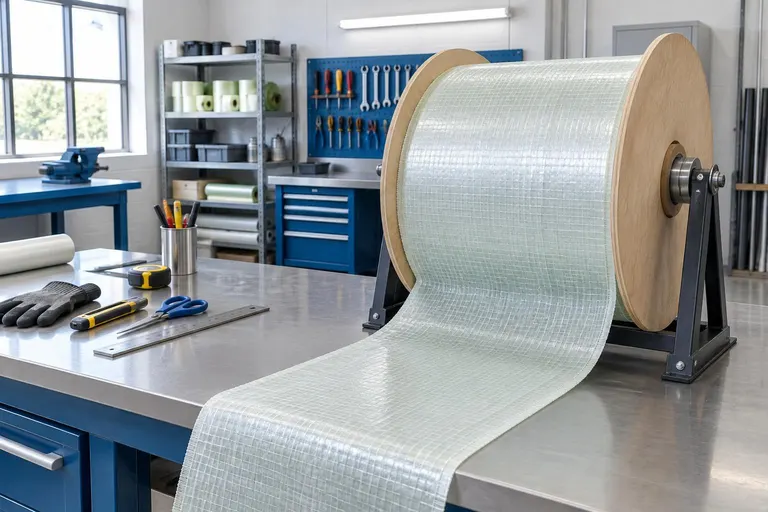
A felt or fiberglass liner is cut to length for your exact pipe and saturated with resin. Diameter, length and conditions decide the resin and the cure method.
Resin and liner - 03
Install the liner
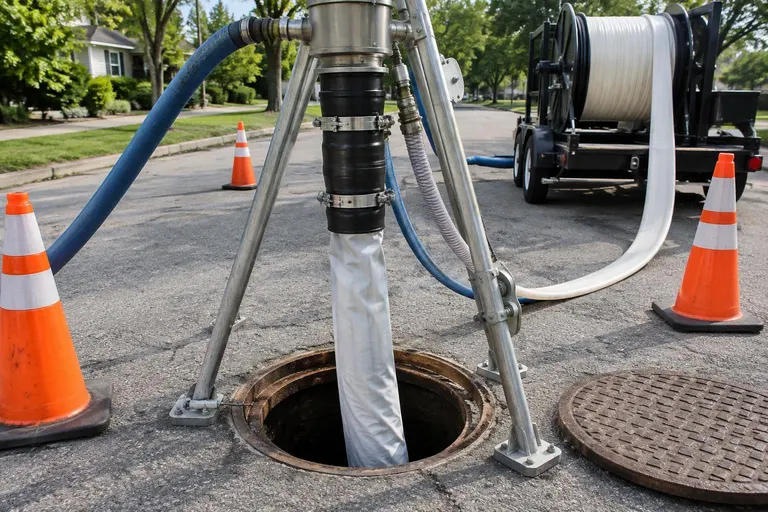
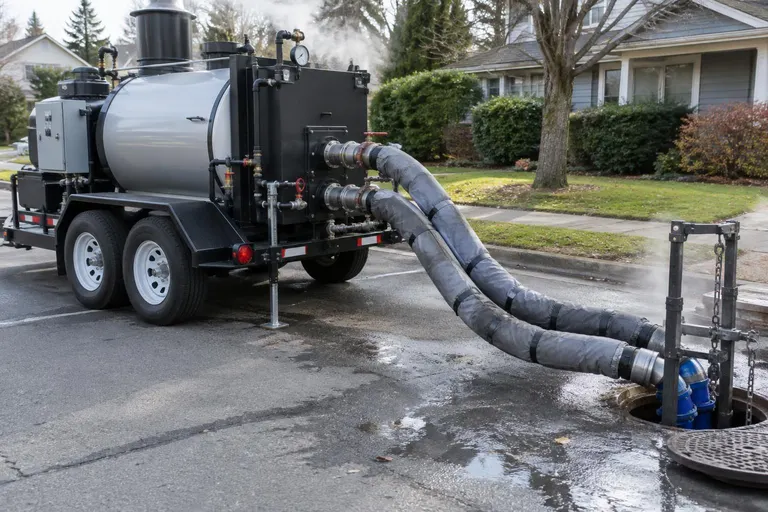
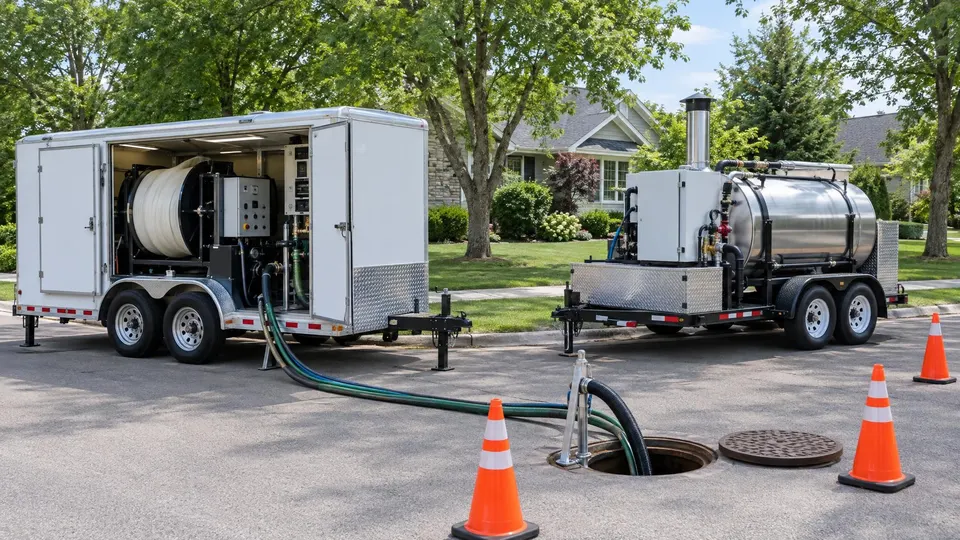
The liner is inverted or pulled through an existing access point, a cleanout or manhole, and pressed against the old pipe wall. No trench, no torn-up yard or driveway in most cases.
Trenchless install - 04
Cure in place
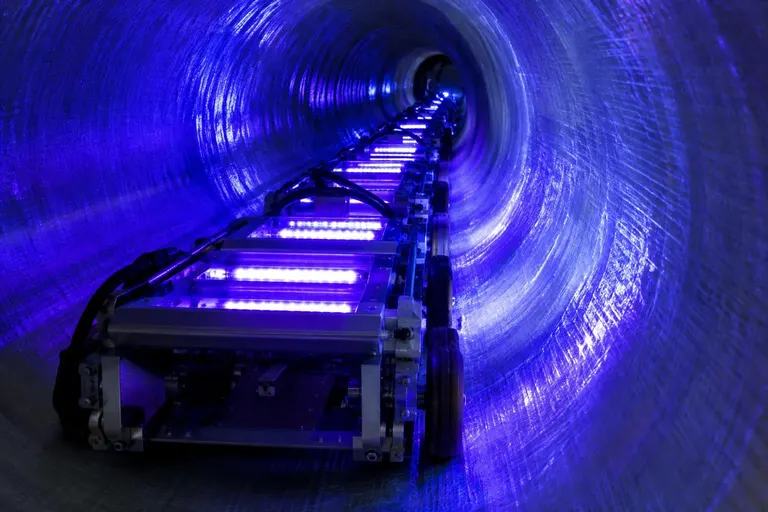
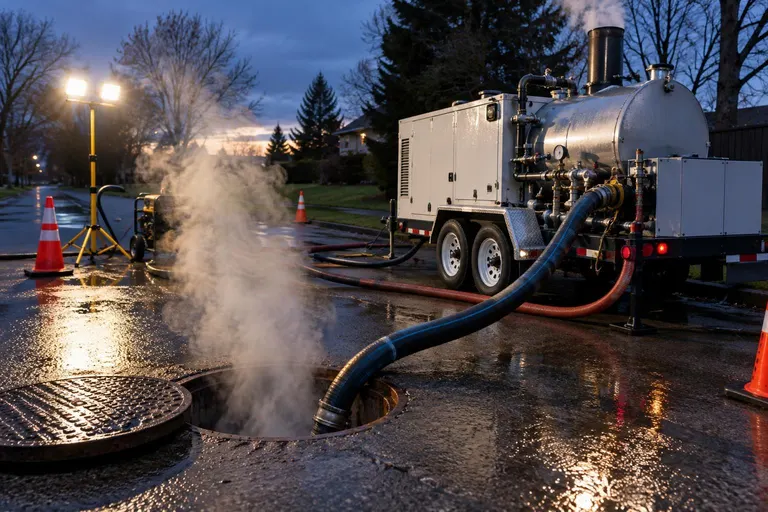
Hot water, steam or UV light cures the resin. The liner hardens into a new, jointless, smooth pipe inside the old one, often within hours.
Hot water, steam or UV - 05
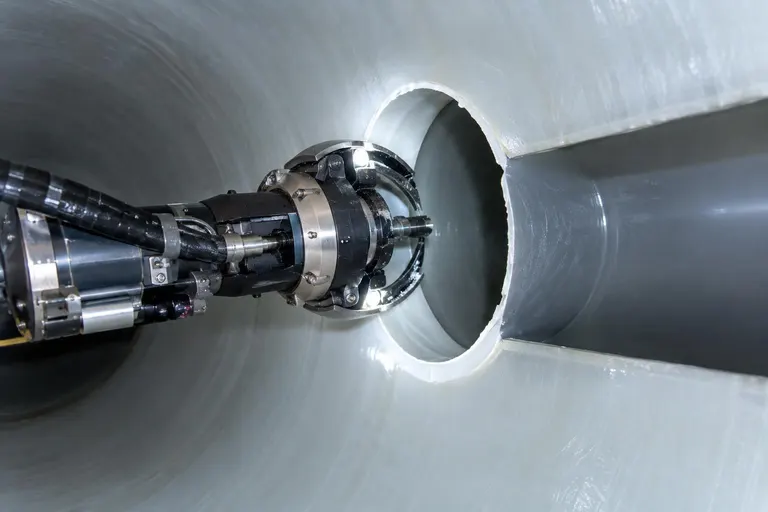
Reopen connections
A robotic cutter reopens every lateral and branch connection from inside the new pipe, so every drain on the line works again.
Lateral reinstatement - 06
Verify on camera
A final camera run confirms the liner is smooth, tight and fully cured, with every connection open. You get the footage.
Post-lining video
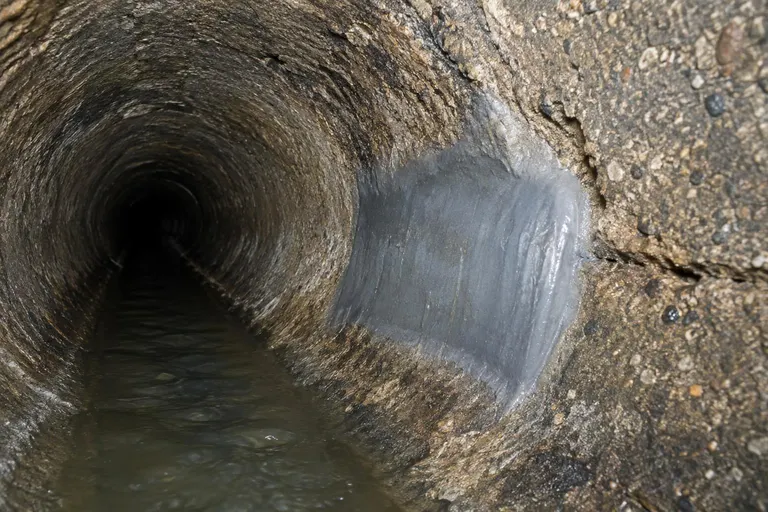
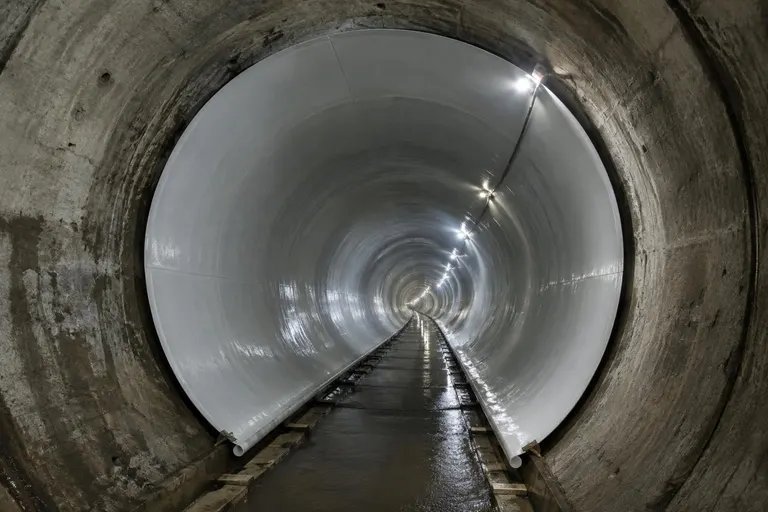
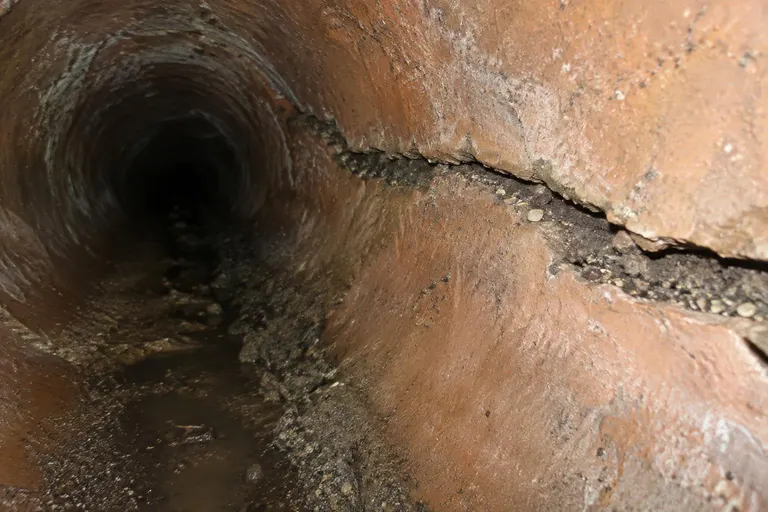
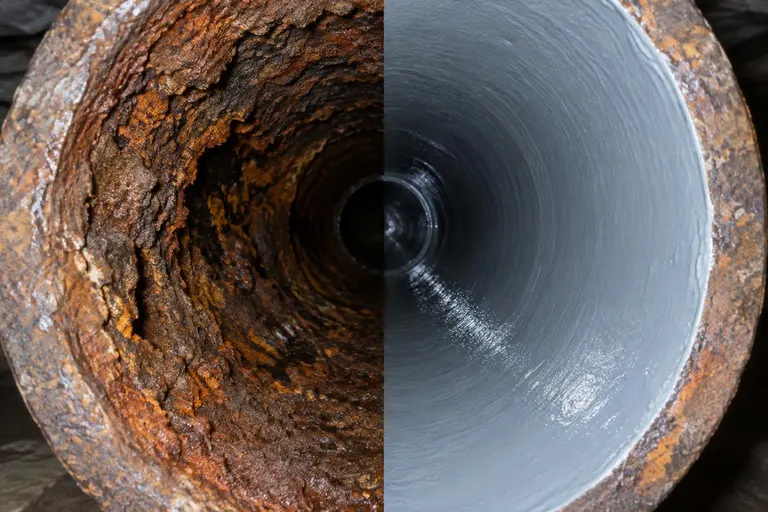
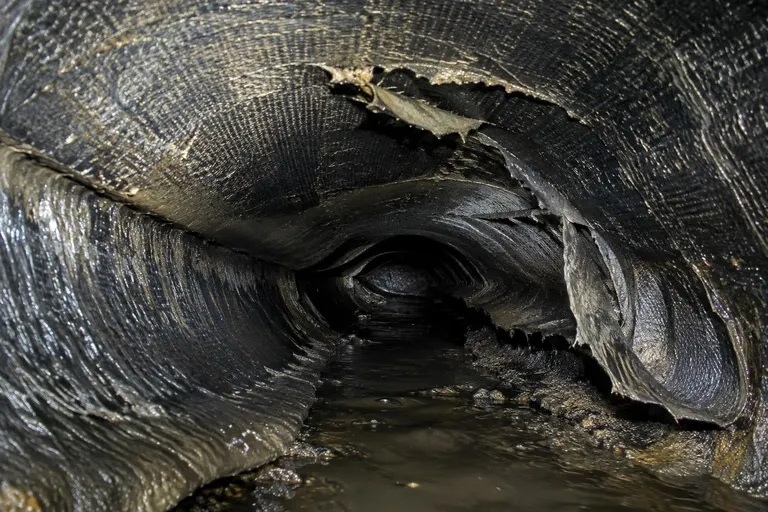
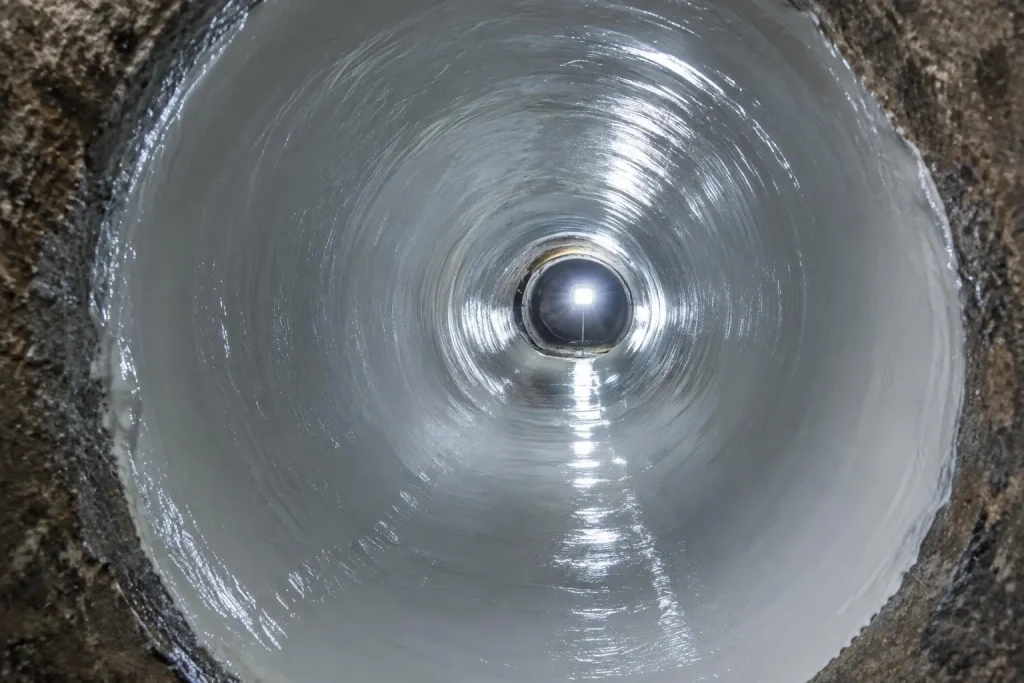
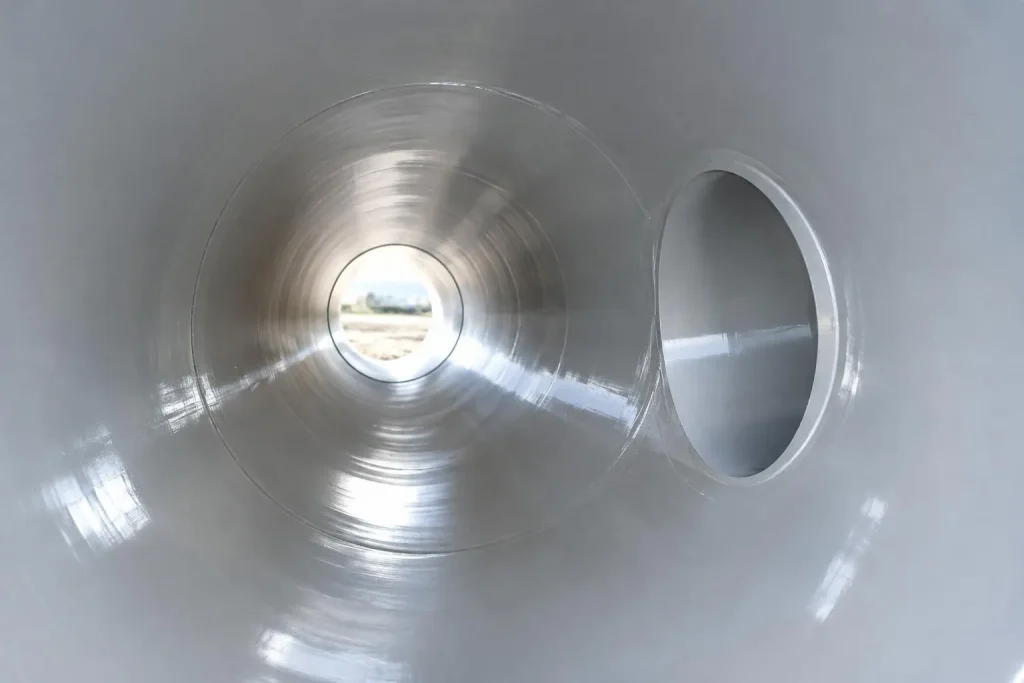
From cracked and rooted to smooth and sealed.
Drag the slider to compare the inside of the same pipe before and after lining.
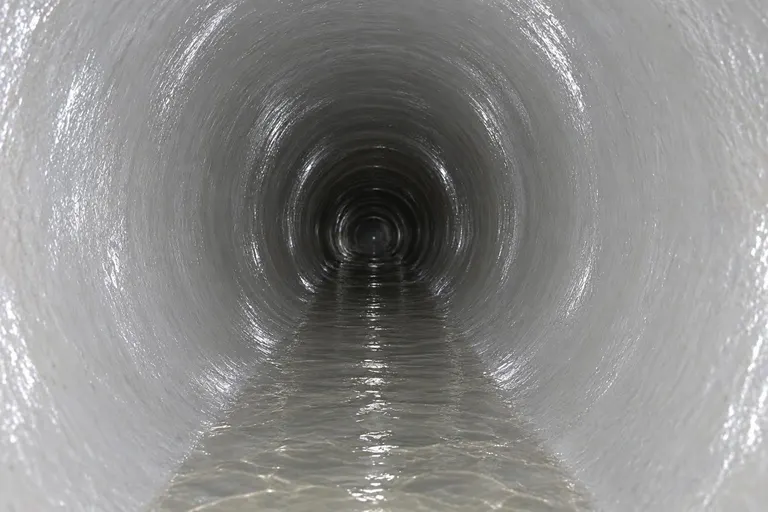
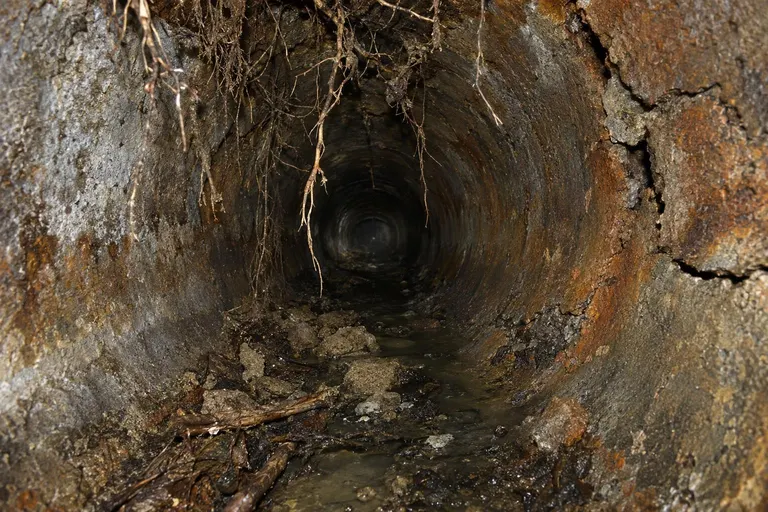
Illustrative AI-generated images of a pipe before and after CIPP lining.
- 66cities across the U.S.
- 48pipe repair services
- 6steps, camera to camera
- 50year design life often cited
48 services, one trenchless crew.
From CIPP lining and spot repairs to camera inspection, cleaning and every kind of pipe and property.
Cured-in-place lining for sewers, laterals, mains and spot repairs, cured with hot water, steam or UV.
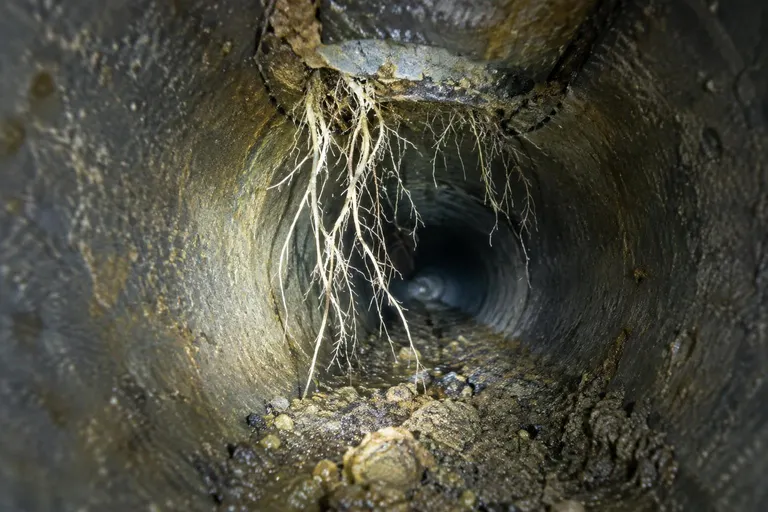
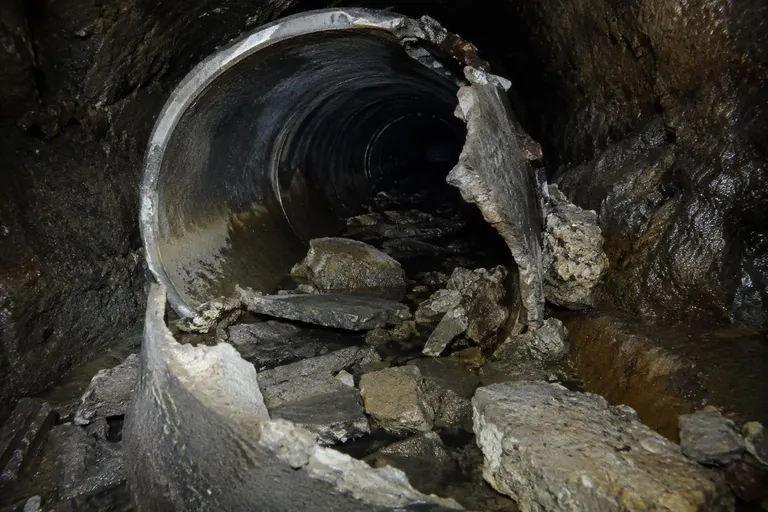
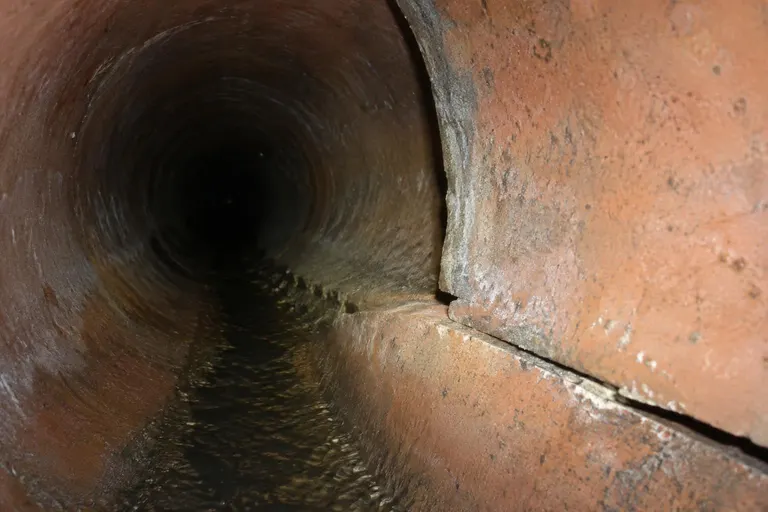
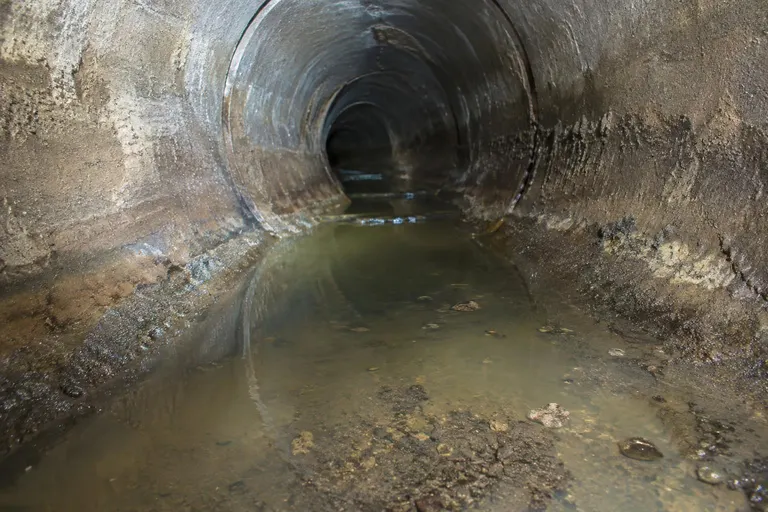
Cracks, roots, offsets, collapses, leaks and backups: the pipe problems we repair from the inside.
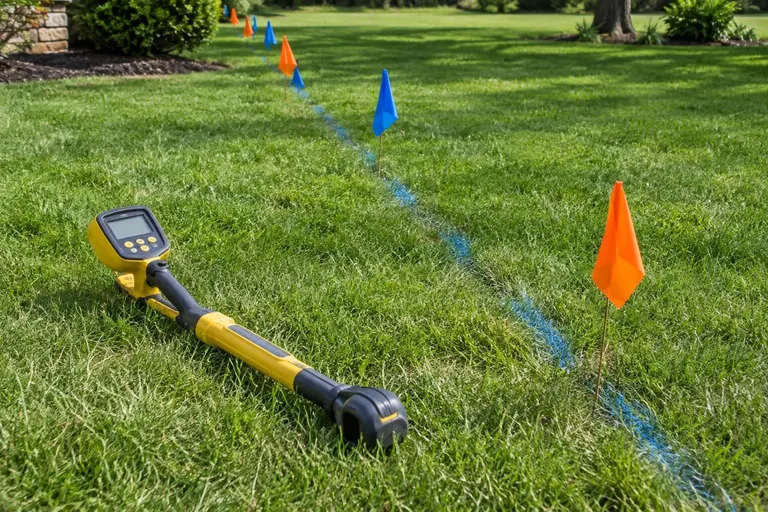
Camera inspection, cleaning, locating and the reports that make every repair a sure thing.
Cast iron, clay, Orangeburg, plastic, concrete and steel: every host pipe we reline.
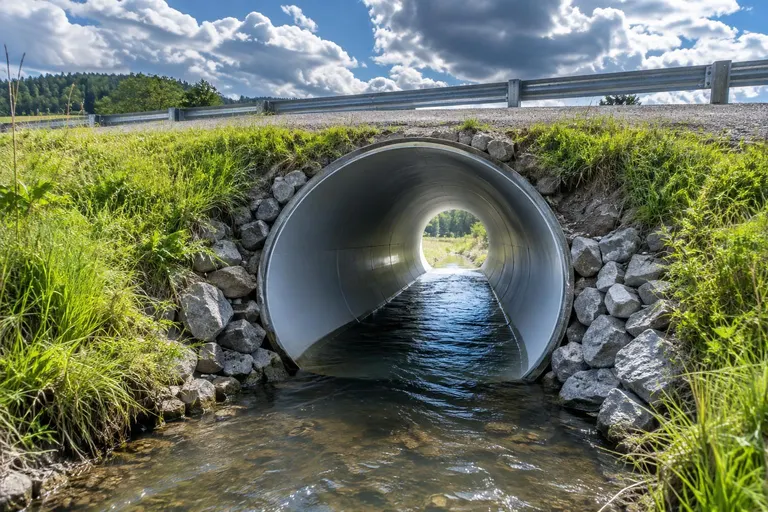
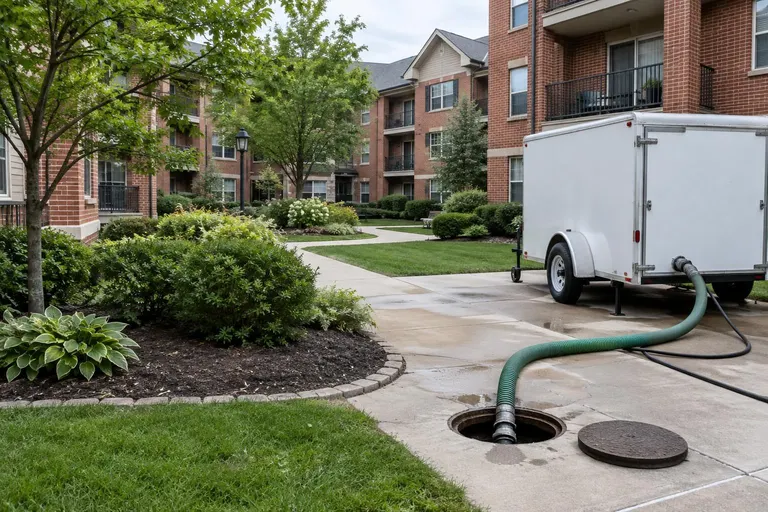
Homes, businesses, plants, cities, culverts, slabs, driveways and emergencies.
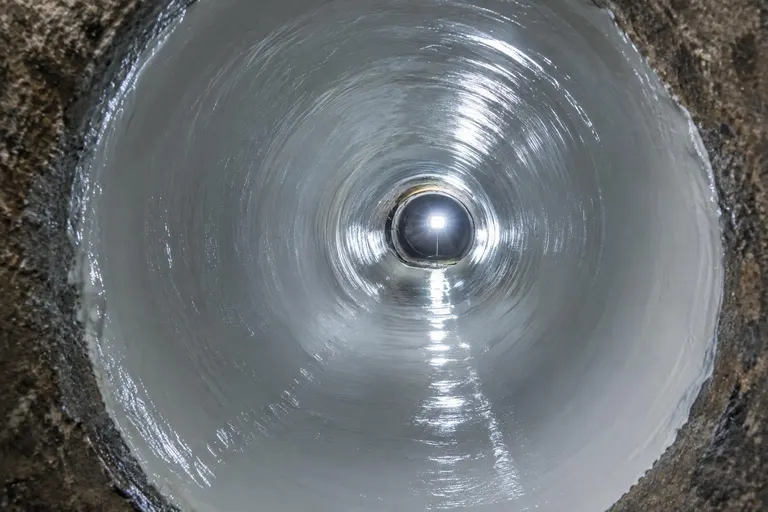
CIPP Pipe Lining (Cured-In-Place Pipe)
A new jointless pipe inside the old one, installed without excavation.
Explore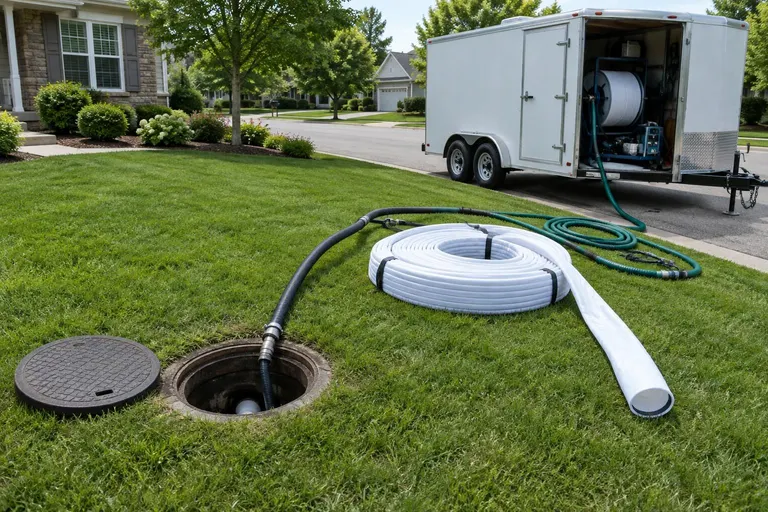
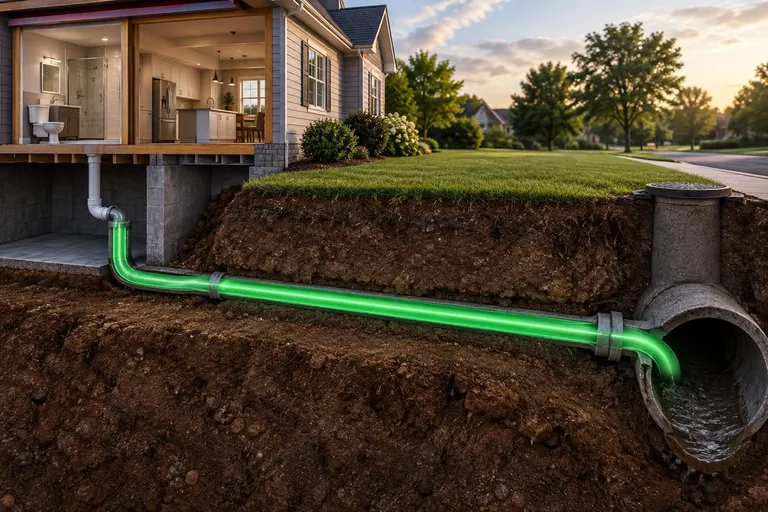
Lateral Lining (Main-to-House)
Reline the private lateral from the cleanout to the street connection.
Explore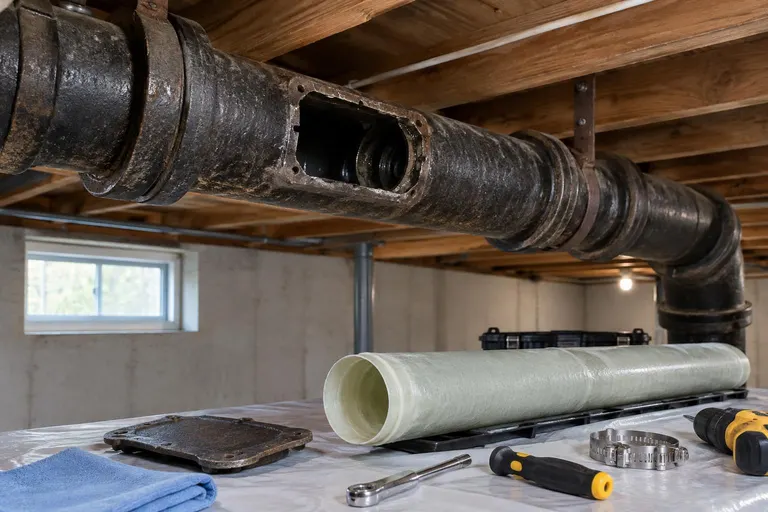
Point Repair (Localized CIPP)
A sectional liner patch that repairs one defect without lining the whole line.
Explore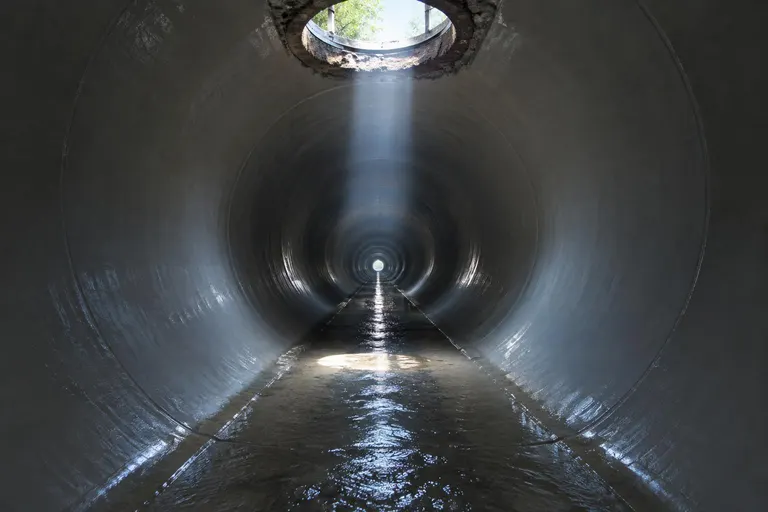
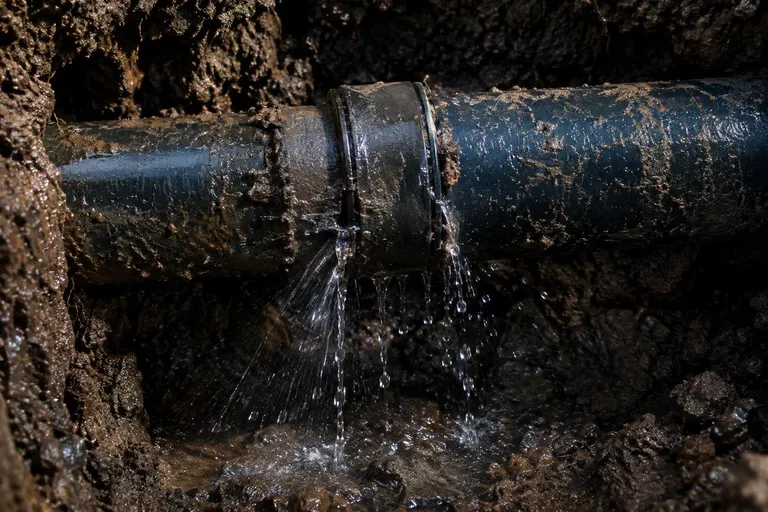
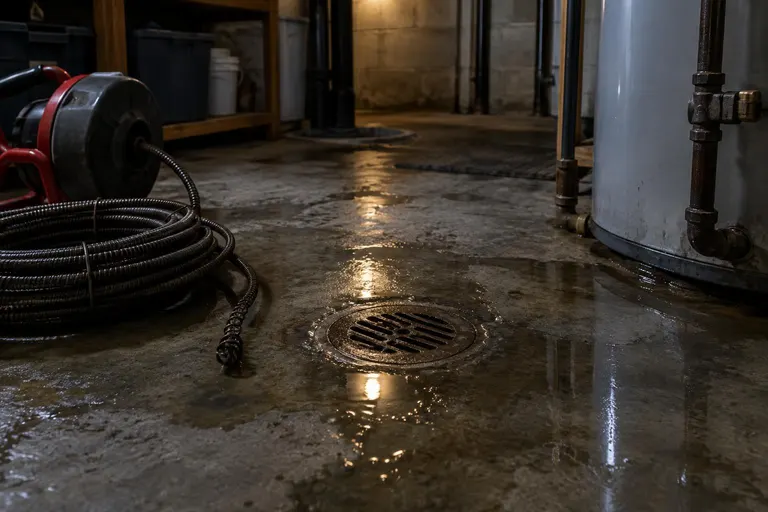
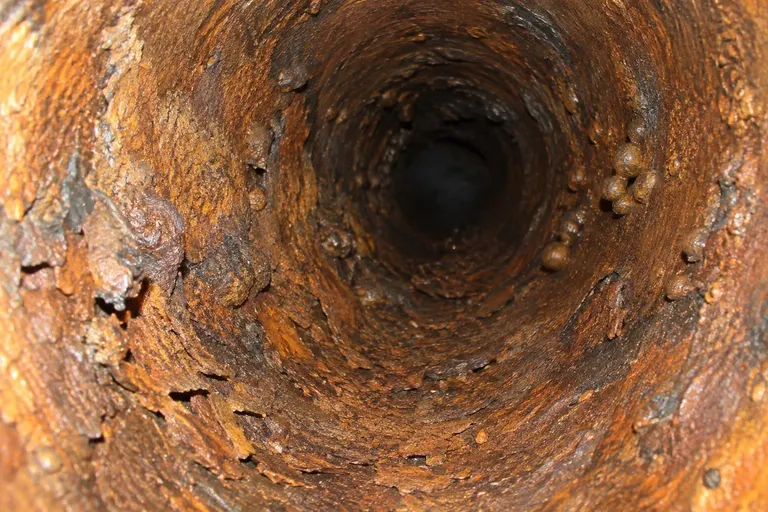
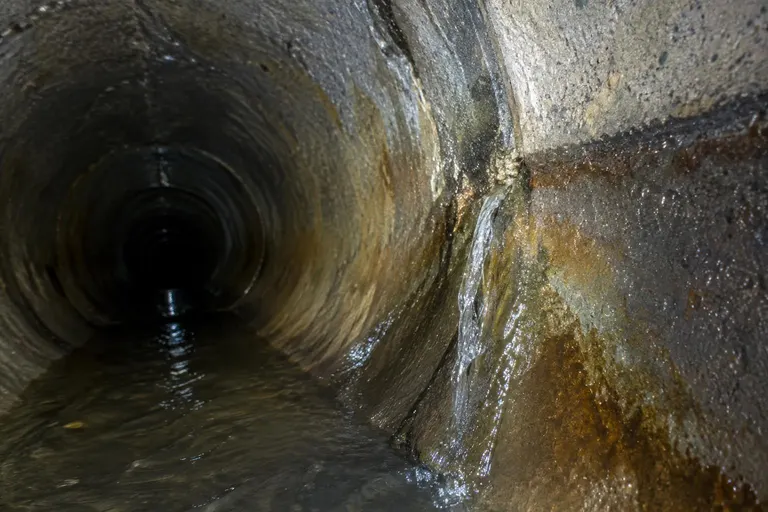
Infiltration & Inflow Repair
Seal leaking joints and cracks that let groundwater into the sewer.
Explore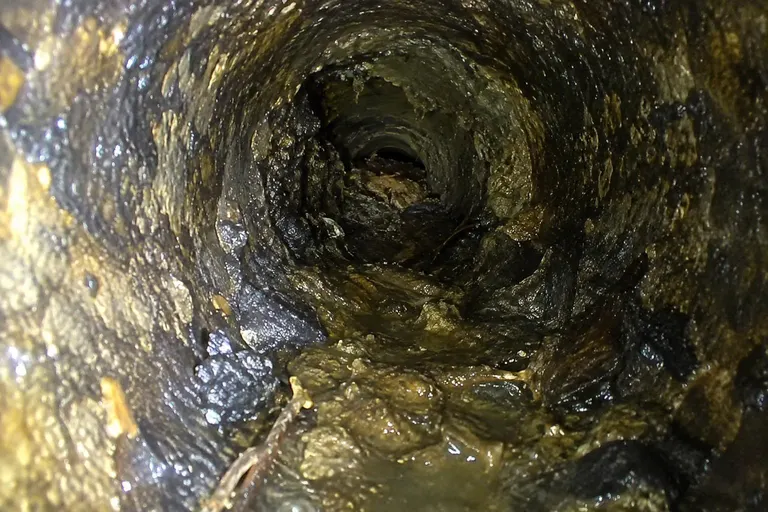
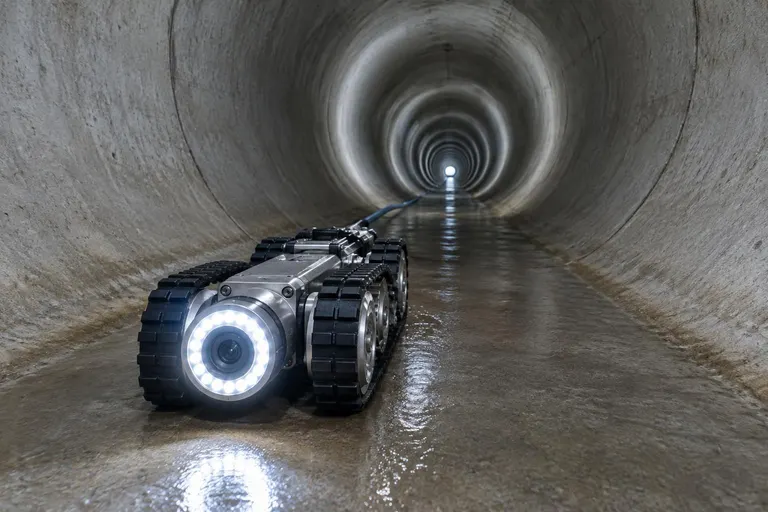
Sewer Camera Inspection
HD video of the inside of your pipe, with the damage located and explained.
Explore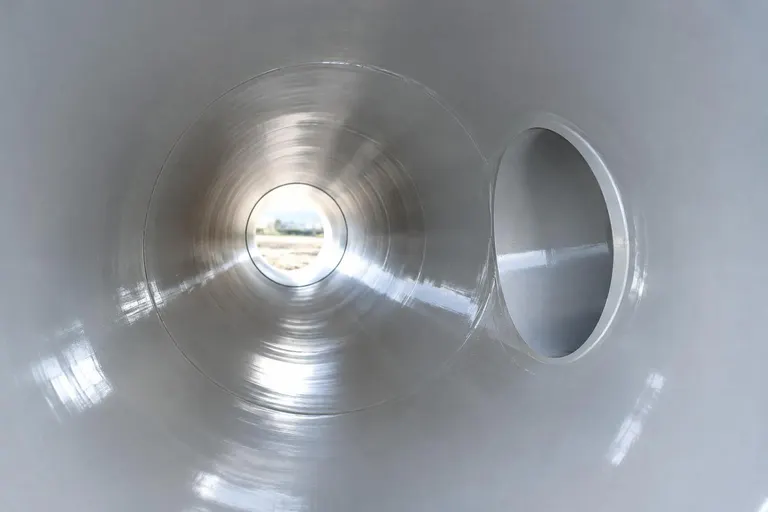
Post-Lining Camera Verification
Proof of a good repair: a final camera run after the liner cures.
Explore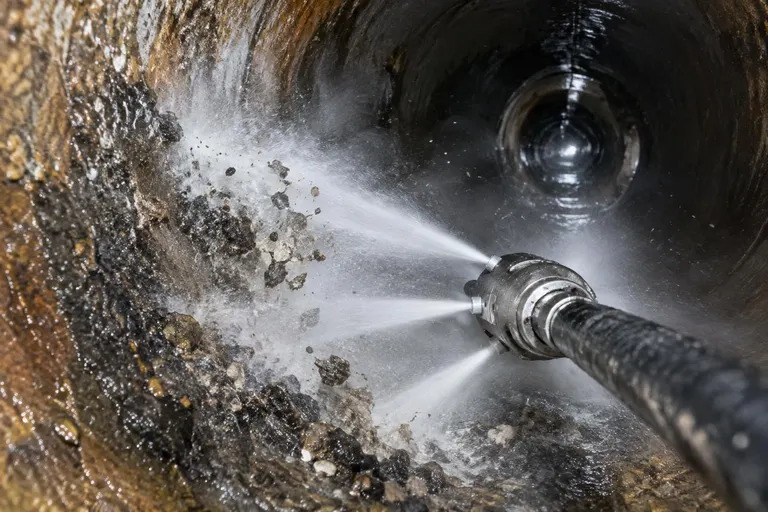
Pipe Condition Assessment Reports
Written, photo-backed condition reports from your camera inspection.
Explore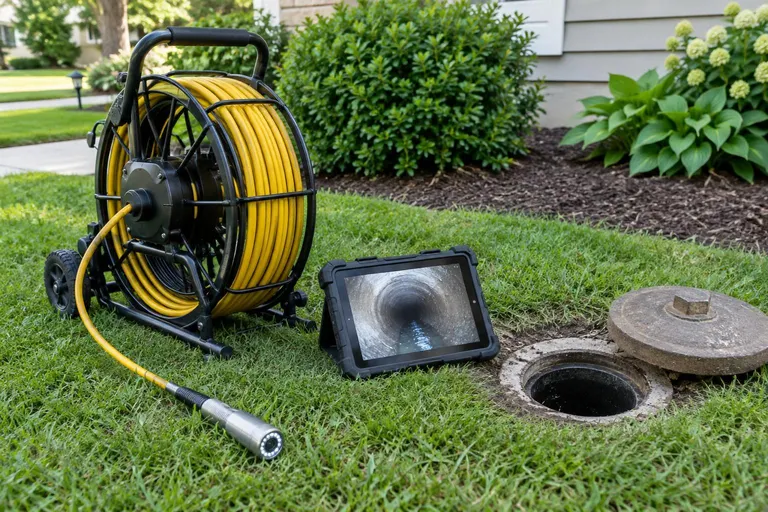
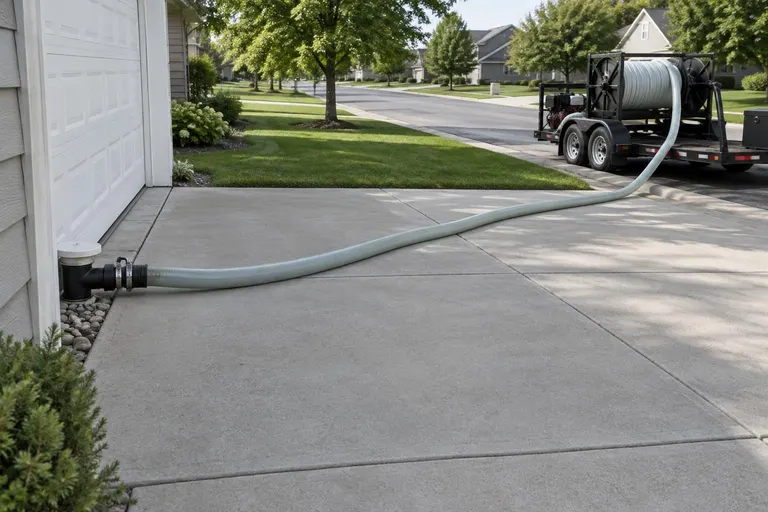
Under-Driveway Pipe Lining
Repair lines under driveways, walks and patios without cutting them.
Explore
The cost of digging is everything on top of the pipe.
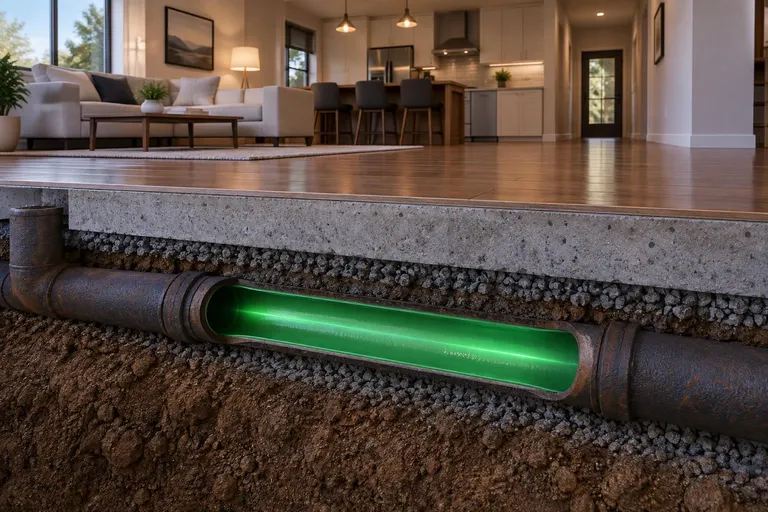
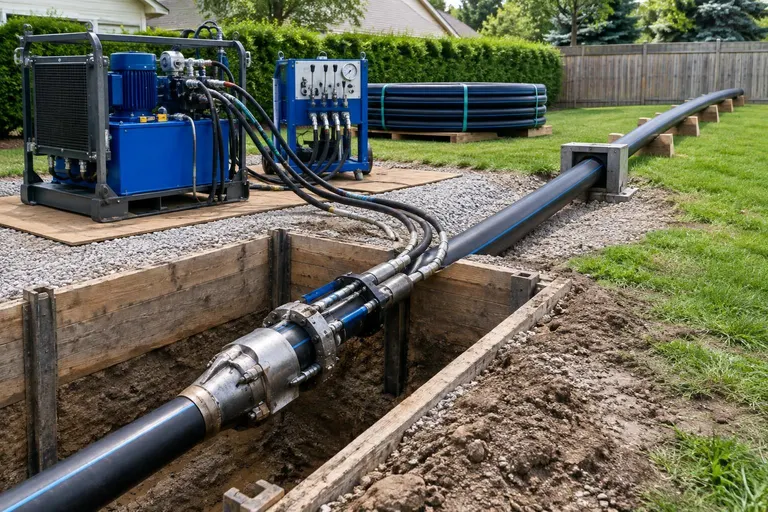
Open-cut repair means excavation, shoring, backfill and then rebuilding whatever was above the pipe: the lawn, the landscaping, the driveway, the patio, even finished floors. For many properties the restoration costs more than the pipe.
Trenchless lining repairs the pipe where it lies. You get the new pipe without losing the property above it, and a camera video to prove it.
- Lawns, driveways and patios stay in place
- Mature trees stay in place
- Most homes finished in about a day
- Camera video before and after
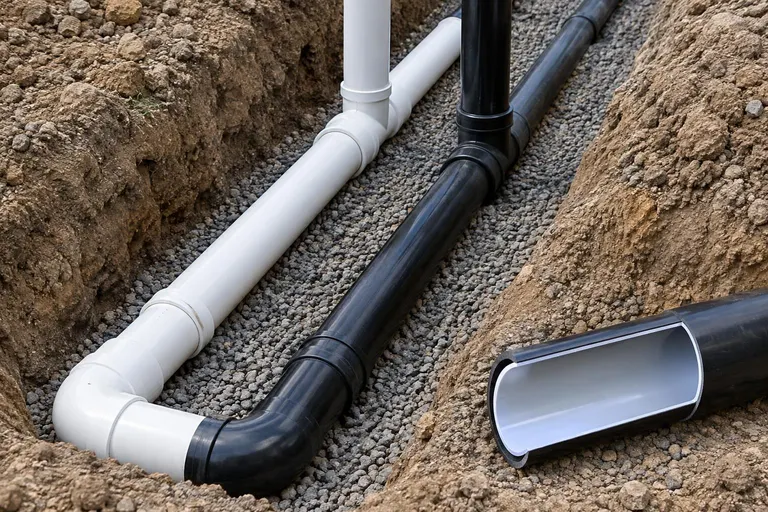
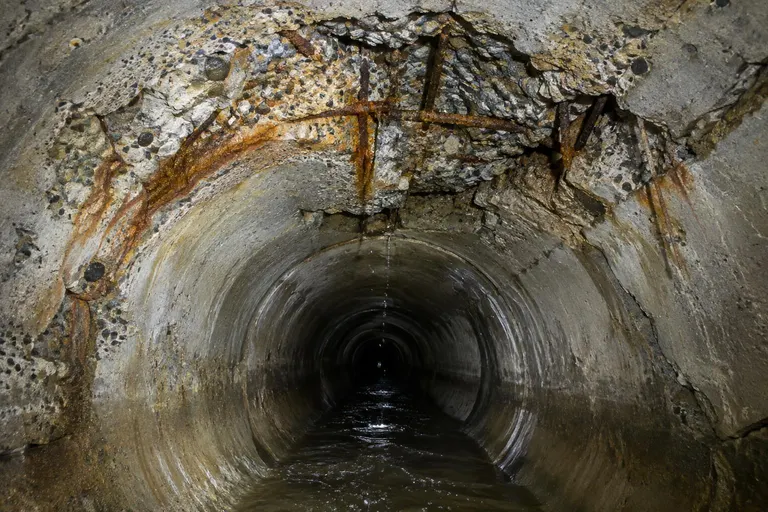
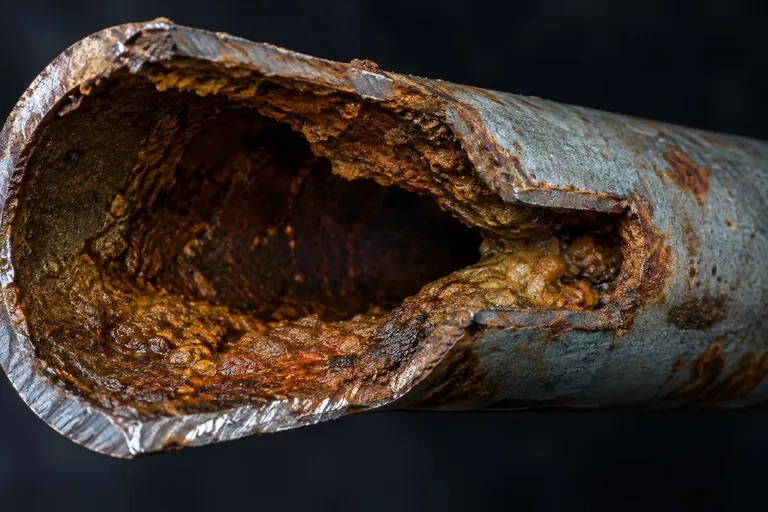
Cast iron, clay, roots, cracks and collapses.
A few of the problems we repair from the inside.
Take the guesswork out of your pipe.
66 cities. One standard.
From Nashville and Middle Tennessee to Seattle, Phoenix, Chicago and Miami. Tap a pin or search your city.
- Albuquerque, NM
- Arlington, TX
- Atlanta, GA
- Austin, TX
- Baltimore, MD
- Boston, MA
- Brentwood, TN
- Charlotte, NC
- Chattanooga, TN
- Chicago, IL
- Clarksville, TN
- Columbus, OH
- Cookeville, TN
- Dallas, TX
- Denver, CO
- Detroit, MI
- Fort Worth, TX
- Franklin, TN
- Fresno, CA
- Gallatin, TN
- Green Bay, WI
- Henderson, NV
- Hendersonville, TN
- Houston, TX
- Huntsville, AL
- Indianapolis, IN
- Irving, TX
- Jackson, TN
- Jacksonville, FL
- Kansas City, MO
- Knoxville, TN
- Las Vegas, NV
- Lebanon, TN
- Lexington, KY
- Lincoln, NE
- Los Angeles, CA
- Madison, WI
- Memphis, TN
- Mesa, AZ
- Metro East, IL
- Miami, FL
- Milwaukee, WI
- Minneapolis, MN
- Mt. Juliet, TN
- Murfreesboro, TN
- Nashville, TN
- New Orleans, LA
- Nolensville, TN
- Oklahoma City, OK
- Omaha, NE
- Orlando, FL
- Philadelphia, PA
- Phoenix, AZ
- Raleigh, NC
- Sacramento, CA
- San Antonio, TX
- San Diego, CA
- San Francisco, CA
- San Jose, CA
- Seattle, WA
- Smyrna, TN
- St. Louis, MO
- Tampa, FL
- Tucson, AZ
- Virginia Beach, VA
- Washington, D.C.
We probably serve your area too. Call 800-224-9245 and we will confirm.
Plain-English advice from the pipe trade.
Costs, cure methods, roots, cast iron and what to ask a contractor, explained without the sales pitch.
 CIPP basicsWhat Is CIPP Pipe Lining? A Plain-English GuideCured-in-place pipe, explained: what the liner is, how it gets in, what it cures with and when it is the…
 CIPP basicsCIPP Lining vs. Dig-and-Replace: Which Is Better?Cost, mess, time and lifespan compared, plus the situations where digging or bursting is actually the right call.
 CIPP basicsHow Long Does a CIPP Liner Last?The 50-year design life you hear about, what it really means and what affects how long a liner actually performs.
Questions, answered
What is CIPP pipe lining?
CIPP stands for cured-in-place pipe. A flexible liner soaked in resin is installed inside your damaged pipe and cured with hot water, steam or UV light until it hardens into a new, seamless pipe within the old one. It repairs cracks, leaking joints and root intrusion without trenching up your yard or street.
Do you have to dig up my yard?
In most cases, no. The liner goes in through an existing cleanout or manhole, so lawns, driveways, patios and floors stay in place. If the camera shows a pipe that has collapsed or a section that cannot be lined, we tell you and explain the options, which may include a small spot dig or pipe bursting.
How long does a CIPP repair take?
A typical home sewer lining is finished in about a day: camera inspection, cleaning, liner installation, cure and a final camera run. Longer runs, commercial lines and complex sites take longer, and we give you a schedule before we start.
How much does CIPP lining cost?
Published U.S. ranges commonly run about $80 to $250 or more per foot for residential lining and about $100 to $300 or more for commercial work, depending on diameter, length, access and conditions. The Cost Estimator on this site gives a planning range; a free camera inspection gives a firm written price. Call 800-224-9245.
How long does a CIPP liner last?
A 50-year design life is widely cited for CIPP. That is an engineering design basis, not a guarantee, and real performance depends on cleaning, installation quality and the condition of the host pipe. Ask for the warranty terms in writing and keep the final camera footage.
Can every pipe be lined?
No. Lining works on pipes that are still roughly round and in place: cracked, corroded, leaking or root-invaded. A collapsed pipe or a deep belly that holds water usually cannot be lined. A camera inspection tells us which you have, and we say so plainly.
Will tree roots grow back?
A continuous liner has no joints for roots to enter, so roots generally cannot get back into the pipe. We cut and clean the roots out first so the liner bonds to a clean host pipe.