
Pipe Bursting & Trenchless Replacement
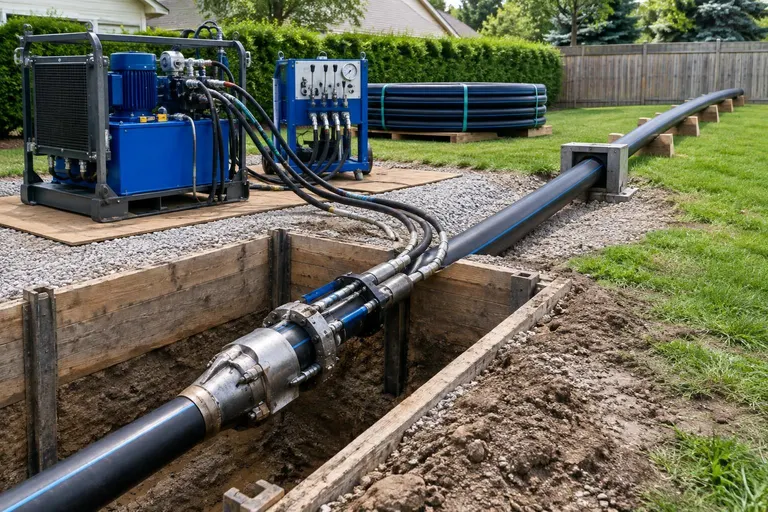
When a pipe is too damaged to line, pipe bursting pulls a new pipe through the old path with two small pits instead of a trench.
The details, in plain English.
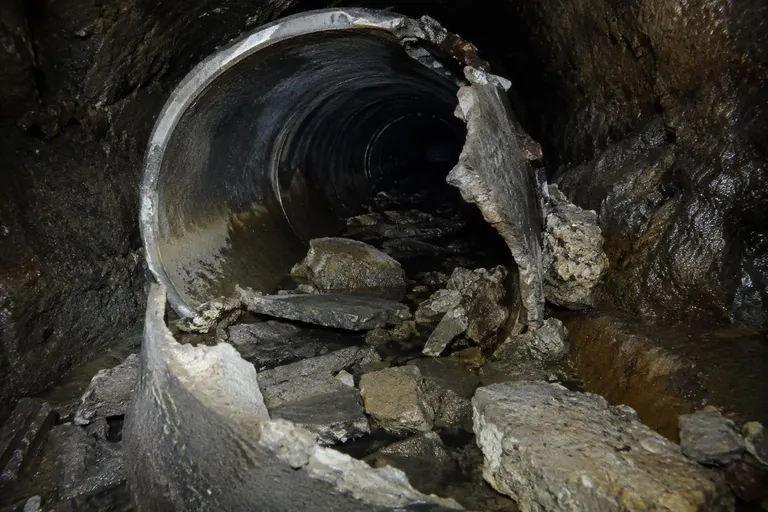
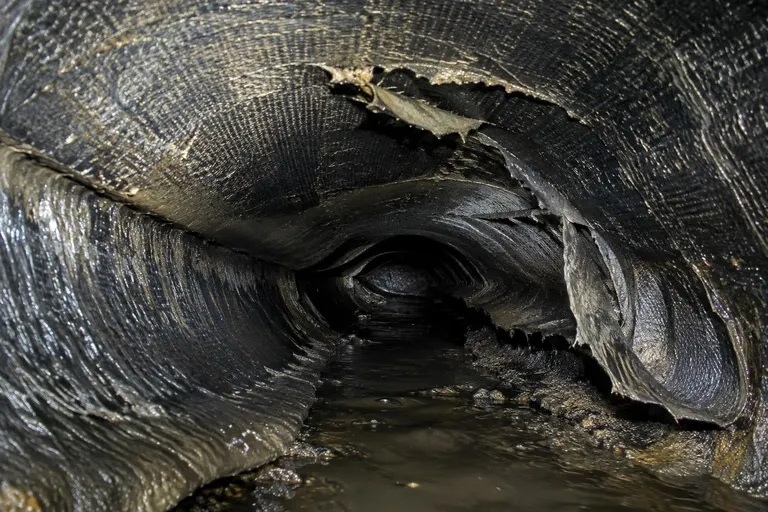
Some pipes are too far gone for lining: fully collapsed, badly bellied or too deformed. Pipe bursting breaks the old pipe outward while pulling a new pipe, usually HDPE, into the same path. It needs two small pits, one at each end, instead of a trench along the length.
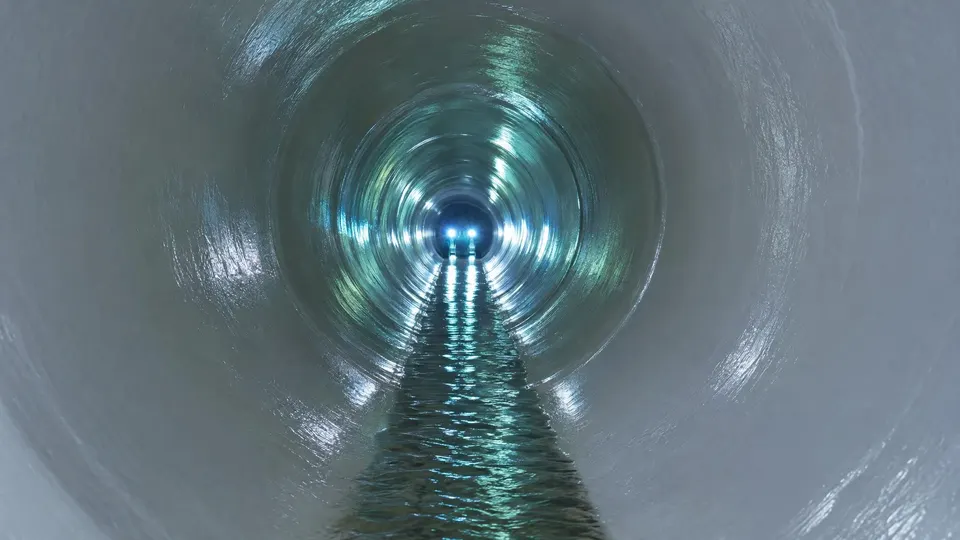
It gives you a brand-new pipe with a smooth interior, and it can upsize the pipe when needed. We evaluate each line and recommend lining when it will work and bursting when it will not.
Best for
- Collapsed or deformed lines
- Bellied pipes needing grade correction
- Orangeburg replacement
- Lines needing a larger diameter
What you get with this service.
Two pits, not a trench
Much less excavation.
New pipe
A fresh, jointless HDPE pipe.
Can upsize
Increase the diameter if needed.
Honest comparison
Lining or bursting by condition.
From first look to finished pipe.
- 1
Camera and plan
Choose bursting over lining.
- 2
Dig the pits
Entry and exit only.
- 3
Burst and pull
Install the new pipe.
- 4
Connect and test
Reconnect and verify.
Questions, answered
When is bursting better than lining?
When the pipe is collapsed, deeply bellied or needs more capacity, bursting works where lining cannot.
Does bursting damage nearby utilities?
Utility locating and careful planning are essential. We assess nearby utilities before choosing the method.
How do I get a price?
Fill in the form or call 800-224-9245. We schedule a free camera inspection, show you the footage and send a written estimate.
How long does it take?
Most home repairs are finished in about a day. Longer runs, commercial lines and complex sites take longer, and we give you the schedule before we start.
Related services
Ready to see what is inside your pipe?
Send the form for a free camera inspection and a written estimate, or try the Pipe Problem Finder first.